Stylish Window Treatments for Large Front Windows
Intro
Selecting the right window treatments for large front windows is no small feat. These expanses of glass serve as the main portal to the outside world in many homes, offering both an opportunity and a challenge. You want something that enhances your aesthetic while also being practical in terms of function such as light control and insulation. This article aims to untangle the various threads involved in picking window treatments for those prominent windows that often dominate your living space.
The process might feel overwhelming at times—after all, there are endless styles and materials available, along with installation methods that can either make or break the final look. Be it a contemporary home with sleek lines or a traditional dwelling with ornate details, it's crucial to choose the right setup that harmonizes with your existing decor.
To kick off our exploration, we will dive into furniture styles and trends, understanding how these elements interact with large front windows and influence your selection of treatments. Let’s set the stage for a fantastic transformation of your living space.
Understanding Large Front Windows
Large front windows serve as more than just functional elements of a home; they act as the very eyes through which inhabitants and visitors alike perceive the space. These expansive panes of glass allow natural light to flood in, creating an inviting atmosphere. In discussing window treatments for these impressive features, it becomes essential to understand both their aesthetic contributions and functional roles.
Defining Large Front Windows
What qualifies as a large front window? Generally speaking, these are windows that stretch across significant portions of the home's facade or encompass multiple segments within a single frame. Their dimensions can vary, but they often extend beyond the standard 3 feet by 4 feet sizes typical in most homes. Additionally, large front windows can come in various styles, including bay windows, picture windows, and expansive sliding doors that facilitate smooth integration with outdoor spaces. Their sheer size presents unique challenges and opportunities in terms of light management, insulation, and design impact.
Importance in Home Design
The importance of large front windows in home design cannot be overstated. They significantly affect the aesthetic appeal of a property. A well-placed large window can enhance curb appeal and serve as a focal point, drawing attention and admiration. From a practical standpoint, they also have ramifications on energy efficiency and lighting, influencing how a space feels throughout the day. Here are some key points to consider:
- Natural Light: Such windows permit more light, which can have psychological benefits and reduce the need for artificial lighting during the day, lowering energy costs.
- Views: They frame outdoor scenery, seamlessly blurring the lines between indoor and outdoor spaces and placing emphasis on the surrounding landscape.
- Ventilation: Larger windows can facilitate airflow, which is essential in maintaining indoor air quality, particularly in modern homes with central heating and cooling systems.
- Social Interaction: In residences that cultivate social engagement, large front windows can invite guests while allowing homeowners to keep an eye on the neighborhood or children playing outside.
"Windows are not just openings to the outside world; they are a gateway to natural light, enchantment, and life itself."
Understanding how these elements interplay is pivotal for homeowners, interior designers, and decorators when choosing the right window treatments. The right treatments can boost functionality and complement the home’s architectural style, making these beautiful frames of glass not only livable but also visually striking.
Functional Considerations for Window Treatments
Choosing the right window treatments, especially for large front windows, goes beyond mere aesthetics. There are several functional considerations that must be weighed to fully appreciate their impact on your living space. Understanding how treatments control light, enhance energy efficiency, and respond to moisture or climate can significantly affect both comfort and costs in your home.
Light Control and Privacy
Light control is often one of the most pressing considerations when selecting window treatments for large windows. These expansive openings can flood a room with sunlight, which may sound nice, but it can also come at a cost. Unchecked natural light can lead to glaring reflections on screens and fading furniture or art. Thus, the right treatment is key.
Draperies, shades, and blinds can all be tailored for light control. If privacy is a concern, sheer fabrics or layered options can provide a buffer without completely blocking daylight. The trick, however, is finding a balance that allows desired light in while keeping prying eyes out.
- Considerable Flexibility: Blinds or shades equipped with mechanisms allow you to tweak light levels easily. For instance, pull-down roller shades can be adjusted at different times of the day to maximize both privacy and light control.
- Layered Approach: Utilizing both sheer curtains and thicker drapes can give you versatile options. Sheers can gently filter light, while heavier drapes can be drawn for complete privacy at night.
In a nutshell, putting thought into how light enters your space can elevate both comfort and style.
Insulation and Energy Efficiency
When large front windows dominate a room, they can also become the Achilles' heel in terms of insulation. An ill-fitted treatment can result in significant energy loss. Factors like materials, thickness, and insulation properties closely tie to energy efficiency.
High-quality treatments act like a safety net, helping to keep your home cool in summer and warm in winter. Here are some significant aspects worth considering:
- Thermal Curtains: These serve to insulate better than standard fabric curtains. Their added layer helps regulate indoor temperatures and soften external noise.
- Cellular Shades: Known for their unique structure, these shades trap air, creating an effective thermal barrier. While they may come with a higher upfront cost, savings on energy bills may pay off long-term.
Enhancing energy efficiency can lead to significant savings for homeowners, alongside an increased comfort level in their living spaces.
Moisture and Climate Factors
Climate can play a huge role in selecting window treatments for large front windows. Different regions experience different levels of humidity, precipitation, and temperature fluctuations. If you reside in a humid area, for example, mold and mildew can become a concern, thus requiring materials that resist dampness.
- Fabric Selection: Opt for materials that withstand humid conditions, such as polyester blends, which resist mold better than cotton. Additionally, if your area sees heavy rainfall, consider water-resistant options like vinyl for roller shades.
- Hardware Choice: Moisture-resistant hardware will ensure longevity. Avoid metal that might rust easily; instead, look for plastic or treated materials.
Key Takeaways: Sound functional considerations for window treatments—light control, insulation, and climate factors—are indispensable in refining your home’s warmth, comfort, and style.
Style Options for Large Front Windows
When considering window treatments for large front windows, the style options play a pivotal role in both form and function. These treatments can transform your space, aligning with your aesthetic vision while fulfilling your practical needs. Each style offers varying degrees of light control, privacy, and decoration, making it essential for homeowners to understand what fits best for their unique situation.
Draperies and Curtains
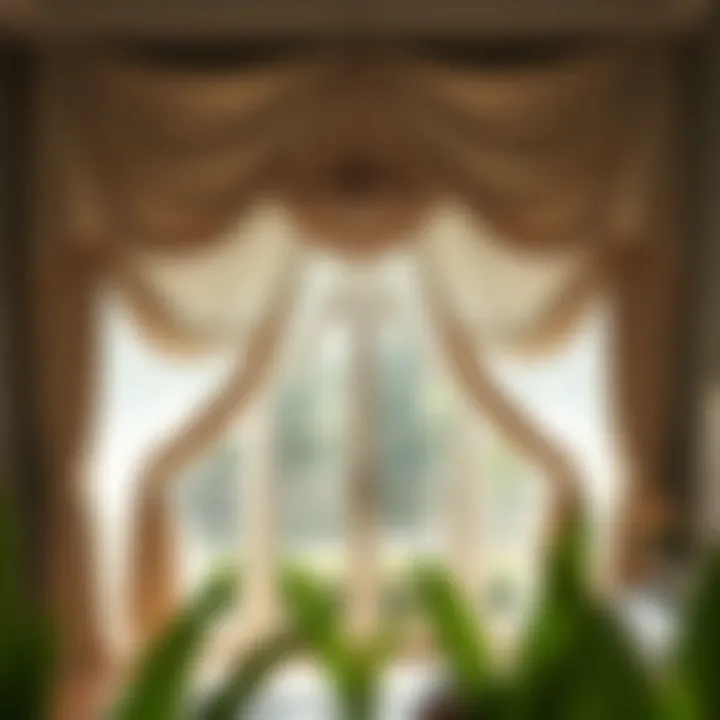
Draperies and curtains can add a sense of elegance to large front windows. Choosing the right fabric can not only enhance the decor but also offer functionality. Opting for sheer or lightweight materials allows natural light to emanate throughout the room, creating an airy feel. On the other hand, heavier fabrics provide insulation and privacy, ensuring that your home feels cozy and secure. Mixing patterns and colors can also add a touch of your personality, reflecting your style while adding warmth to the environment.
Blinds vs. Shades
The debate between blinds and shades is as timeless as it is nuanced. Each option provides its own benefits and drawbacks, ultimately shaped by what you're looking to achieve.
Horizontal Blinds
Horizontal blinds are quite a popular choice due to their versatility in light control. The adjustable slats allow for precise manipulation of light entering your home. A key characteristic of horizontal blinds is their ability to stack neatly at the top when fully raised, providing an unobstructed view of the outside world. They also lend a classic look that fits various decor styles. However, they can be challenging to clean, as dust loves to settle on those slats, necessitating regular maintenance to keep them in pristine condition.
Vertical Blinds
Vertical blinds offer a solution particularly suited for larger windows or sliding doors. Their design allows for easy adjustment of light and privacy levels. A notable characteristic of vertical blinds is that they can be drawn to either side, creating an open and spacious feel. They come in fabric and vinyl options, accommodating different stylistic preferences. Although they can sway in the breeze, which some may find unsightly, they are often seen as an economical and functional choice for larger openings.
Roman Shades
Roman shades provide a more tailored and softer look compared to traditional blinds. One unique feature of Roman shades is their ability to fold neatly into pleats when drawn up, offering an elegant aesthetic. They come in a diverse range of materials, from sheer to blackout fabrics, giving you immense flexibility. While Roman shades are visually appealing and can seamlessly complement your home’s decor, they may require more maintenance since they can absorb dust and allergens due to their fabric nature.
Shutters and Screens
Shutters and screens provide a sturdy solution for large front windows. They offer greater durability compared to fabric options and can be tailored to fit any style—be it traditional or contemporary. Shutters made from wood or composite materials bring an element of craftsmanship that elevates the overall decor. Meanwhile, screens allow for unobstructed views while offering some protection against the weather. The balance they bring between visibility and privacy makes them a favored choice for many homeowners.
Valances and Cornices
Valances and cornices add a finishing touch to your window design by hiding the hardware of other treatments and introducing an additional layer of design. These can add color or pattern, thus shaping the window space in a charming way. They can be paired with draperies or shades to create a fuller, more luxurious look. While they might not provide the functional aspects of light control or privacy on their own, they are essential in enhancing the visual appeal of large front windows.
Layering Treatments
Layering treatments can provide an intriguing visual and functional element to large windows. By combining various styles, such as pairing sheer curtains with heavy drapes, you can achieve a dramatic effect while benefiting from the practicality of both materials. This method maximizes light and privacy options based on your needs at different times of the day. Layering creates depth and dimension in your windows, allowing the design to be adaptable and multifaceted. This approach also offers opportunities for experimenting with colors and textures, making it a popular choice among design-savvy homeowners.
Materials and Textures
When it comes to choosing window treatments for large front windows, the materials and textures can make or break the overall design. Selecting appropriate materials not only influences aesthetics but also affects functionality and durability. While many might overlook this aspect in favor of flashy designs, understanding the materials at play is crucial for creating a cohesive look that stands the test of time. The right choice in fabric, wood, or eco-friendly substances can significantly enhance a room's atmosphere and performance against external elements.
Fabric Choices
Fabric selection is paramount when dressing up large front windows. Heavy fabrics like velvet or brocade can add opulence, making an inviting statement at the entrance of your home. On the opposite spectrum, lightweight fabrics such as sheer linens or cottons promote a breezy feel, allowing natural light to filter through softly. Thus, the performance of your window treatments varies considerably based on fabric choice.
- Opaque Fabrics: Perfect for creating an elegant look while providing privacy and insulation during colder months. Think thicker drapes or blackout panel systems.
- Lightweight Fabrics: These are fantastic for a more laid-back ambiance, letting the natural light spill into your indoor space while still offering some level of privacy and softness.
"Fabric matters. It can bring a room to life, or make it feel stuffy and closed off."
Understanding how fabrics interact with sunlight can also contribute to longevity. Some fabrics may fade or deteriorate faster when exposed to direct sunlight, so consider the window's orientation and your environment when making a decision.
Wood and Composite Materials
When it comes to window treatments, both wood and composite materials offer a robust and timeless appeal. Wood brings a touch of nature inside, which can be particularly striking for users aiming for a cozy or rustic vibe. Wooden treatments, like plantation shutters or blinds, offer versatile light control and can be stained or painted to complement your home’s aesthetic.
Composite materials combine the best of both worlds—they mimic wood but are usually more resilient to moisture and sun damage. This durability makes them ideal for environments with fluctuating weather conditions.
- Pros of Wood
- Pros of Composite
- Natural insulation properties
- Sophisticated appearance
- Customizable with stains or paints
- Greater resistance to warping
- Affordable compared to solid wood
- Variety of styles available
Considering these aspects allows homeowners to balance aesthetics with practical needs. When selecting between these two material types, think about the overall theme of the house and any specific environmental challenges you might face.
Eco-Friendly Options
Sustainability is becoming increasingly important for homeowners as they look for options that reflect their values. Eco-friendly window treatment choices can resonate well within certain communities, showcasing a commitment to reducing one's carbon footprint. Materials such as bamboo, organic cotton, or recycled polyester are excellent alternatives that can elevate your home’s interior.
Opting for these options not only aids the environment but also often introduces a unique character that traditional materials might lack. Moreover, many eco-friendly fabrics are designed to provide excellent thermal regulation, ensuring that they keep homes warm in winter and cool in summer.
- Bamboo Shades: Naturally anti-bacterial and moisture-resistant, making them suitable for various climates.
- Organic Cotton: Produced without harsh chemicals, ideal for those sensitive to allergies or looking for non-toxic options.
By choosing eco-friendly materials, you contribute to a sustainable future while enhancing the beauty of your home. Remember to look for certifications to ensure they meet environmental standards.
Installation Techniques
When it comes to window treatments for large front windows, the installation process can make or break the overall effectiveness and aesthetic appeal of your chosen solution. Proper installation techniques are crucial as they directly influence functionality, durability, and visual impact. Whether quality blinds, elegant drapes, or chic shutters, the right installation ensures optimal performance in terms of light control, insulation, and style.
DIY Installation vs. Professional Help
When deciding between a DIY installation and hiring professionals, consider several factors.
- Skill Level: If you're handy with tools and have experience with home improvements, a DIY approach could save money. However, if the task feels daunting, going professional might be wise.
- Time Constraints: While some may enjoy a weekend project, others may find time a luxury. Professionals can often finish jobs quicker, allowing you to enjoy your newly dressed windows sooner.
- Precision: Getting exact measurements can be tricky, especially with large windows. A miscalculation could lead to wasted materials and increased expenses.
In the end, weighing your confidence and resources against the need for precision can guide your choice.
Measuring For Large Windows
Accurate measuring is a staple of successful window treatment installation. Large windows present unique challenges; therefore, meticulous measurement can yield an excellent fit and improved aesthetics. Here’s how to get it right:
- Tools Needed: Grab a measuring tape, pencil, and a notepad for jotting down your numbers.
- Width Measurement: Measure the width of the window in at least three places—top, middle, and bottom. Use the widest measurement for your treatment.
- Height Measurement: Similarly, measure the height from the top of the window frame to the bottom in three places and record the longest measurement.
- Depth (if needed): For some treatments, you may need to know the window depth to select the right style.
Taking these thorough steps can make all the difference between a professional look and a DIY disaster.
Mounting Styles
Selecting the right mounting style is another significant decision in the installation process. Different mounting styles offer unique benefits and influence the final appearance of the window treatments. Below are two popular options:
Inside Mount
The inside mount is installed within the window frame. It provides a clean, streamlined look that accentuates the window structure. Here’s what makes it ideal:
- Key Characteristic: It highlights the architecture of the window, providing a more integrated and polished appearance.
- Benefits: An inside mount allows for maximum light control, as treatments typically fit snugly within the frame. This style offers a minimalistic look that suits modern designs well.
- Considerations: Precision in measurement is critical; a poor fit can lead to gaps that compromise light control. The depth of the window frame also must be adequate for the treatment to fit well.
Outside Mount
Unlike the inside mount, the outside mount hangs above the window frame, extending over the wall.
- Key Characteristic: This method creates an illusion of larger windows, making it advantageous for smaller spaces.
- Benefits: Outside mounts can block more light and give options for layering treatments—a plus for those looking for enhanced insulation. Additionally, they offer flexibility in installation height based on decor preferences.
- Considerations: However, precise installation is necessary to ensure the treatments hang evenly, creating an attractive look. Also, the wall space above the window should be considered for fitting.
Both mounting styles have their pros and cons, and the decision should align with your personal style and functional needs.
Trends in Window Treatments
Staying ahead of the curve in window treatment design isn’t just about aesthetics; it’s also about understanding how these choices affect overall living standards. With large front windows, homeowners have a unique canvas that blends between functional and ornamental features. Indeed, trends in window treatments can dramatically alter the feel of a space, enhance energy efficiency, and respond to the modern lifestyle.
The emphasis on trend-watching in this domain serves multiple benefits. For one, it facilitates a more cohesive and harmonized design that can reflect personal style while still holding up to practical needs. Moreover, knowing the latest trends can help in making informed purchasing decisions that will last beyond fleeting fashion trends.
Smart Technology Integration
One of the most exhilarating advancements in the realm of window treatments is the integration of smart technology. Smart blinds and shades offer not just convenience but also energy efficiency. Imagine being able to control the ambiance of your living space directly from your smartphone. Whether you want to let the sun bathe your space in natural light or maintain privacy when the evening rolls in, smart technology caters to your needs straightforwardly.
Additionally, you don’t have to climb on stools or furniture to adjust a thing. Many systems can even learn your routines and adjust automatically. This is especially helpful for large front windows, where reaching the high corners might be quite the chore. Moreover, these treatments can boost your home’s resale value, as more buyers are eager for homes that boast cutting-edge technology.
Smart window treatments can include features such as:
- Remote control access: Provides effortless management of your window treatments.
- Energy-efficient settings: Schedules open and close times to maximize natural light and efficiency.
- Integration with home systems: Works with other smart devices in your home like smart thermostats or lighting.
Sustainable Design Trends
As people are becoming increasingly aware of environmental issues, sustainable design trends in window treatments are gaining traction. This means opting for materials that don’t just look good but also support a more eco-friendly lifestyle. With large front windows, you have the opportunity to select treatments that not only enhance the aesthetics but also minimize the environmental impact.
Natural fabrics such as organic cotton and linen, as well as recycled materials, are becoming favorites among eco-conscious decorators. These materials are often treated to be durable, providing longevity without compromising on environmental integrity. Renewable energy considerations affect not just the window treatments themselves but also the entire window design process. For instance, insulating shades can help regulate indoor temperatures and reduce the need for heating and cooling systems.
Homeowners can explore these sustainable window treatment options:
- Bamboo blinds: Offers a natural look while being a renewable resource.
- Recycled fabrics: Some brands now produce curtains and shades using materials that were once disposed of.
- Low-VOC paints and finishes: If opting for painted wood treatments, look for those that are eco-friendly and safe for your indoor air quality.
Keeping an eye on trends in window treatments, particularly in light of advancements in technology and sustainability, not only elevates the visual appeal of large front windows but also leads to more informed choices that benefit the environment as well as comfort and convenience in your home.
Budgeting for Window Treatments
When it comes to window treatments, especially for large front windows, the financial aspect cannot be overlooked. Budgeting plays a significant role, influencing not only the functionality but also the aesthetic appeal of your space. It's essential to approach this task with a keen eye on your bank balance while balancing quality and style. Every choice can reflect on how you live in and experience your home daily.
Cost Considerations
Setting a budget for window treatments involves understanding various elements that contribute to costs. Here's what to keep in mind:
- Material Costs: Different materials come with varying price points. For instance, natural fabrics like silk can be quite expensive, while options like polyester can be more budget-friendly but still stylish.
- Design Complexity: Custom-designed window treatments usually come with a higher price tag compared to ready-made options. The more intricate the design, the more it can hit your wallet.
- Size Matters: The bigger the window, the more material you'll need. Large front windows often translate to larger costs, whether it’s for fabric, blinds, or shades.
- Installation Fees: Depending on whether you’re going the DIY route or opting for professional help, installation can add to your overall budget. Professionals bring expertise but typically charge for labor, which could be an important factor.
When budgeting, it’s wise to prioritize your needs versus wants, making choices that align with both your style and your budget limitations.
Long-Term Value and Investment
Thinking beyond the initial costs is essential when budgeting for window treatments. Here’s why:
- Energy Savings: Quality treatments can lead to significant savings on your energy bill. For instance, energy-efficient shades help maintain temperature, cutting down on heating and cooling costs in the long run.
- Durability: Investing in durable materials means that treatments will last longer, reducing the need for replacements. Cheaper options might save a bit now but could cost more over time if they need to be replaced regularly.
- Home Value: Well-chosen window treatments can enhance the overall appeal of your home. This not only makes it more enjoyable to live in but also increases property value, should you ever decide to sell. Buyers often take note of the condition and style of window treatments during their decision-making processes.
- Aesthetic Appeal: High-quality treatments can boost the visual attractiveness of your home, creating a cohesive look that can impress guests and enhance your living experience.
Culmination
The conclusion serves as a vital component in wrapping up the narrative regarding window treatments for large front windows. This section allows us to distill the wealth of information covered throughout the article into digestible insights. It emphasizes the significance of careful selection when considering window treatments, as they can profoundly affect both the aesthetic and functional qualities of a home.
When it comes to large front windows, the stakes are high because these features not only enhance the overall look of a house but also dictate how light and privacy interplay within interior spaces. Homeowners, interior designers, and renovators must weigh factors such as material durability, ease of maintenance, and cost against style preferences to arrive at choices that align with their specific needs and tastes.
Reflecting on the diversity of styles—from draperies and blinds to eco-friendly materials—ensures that all aspect of design and function are satisfied. Furthermore, the consideration of insulation and energy efficiency cannot be overstated, as these elements have long-lasting implications for comfort and utility bills.
"Choosing the right window treatments is less about trends and more about finding functionality that speaks to your personal style".
Analyzing various trends, from smart technology to sustainable materials, equips readers with the foresight to make choices that not only work today but can adapt to future needs.
Summarizing Key Points
Reflecting on the core areas discussed in the article:
- Understanding Large Front Windows: These prominent features play a crucial role in home design and can set the tone for the entire aesthetic of a space.
- Functional Considerations: Essential aspects such as light control, privacy, insulation, and climate-resistance are paramount in decision-making.
- Style Options: The array of treatments—from elegant draperies to modern shades—provides ample opportunities for personal expression.
- Materials and Textures: Different materials offer various benefits; understanding these helps in making informed choices that cater to both form and function.
- Installation Techniques: Knowing the distinction between DIY approaches and professional installations can save both time and potential mishaps.
- Trends: Keeping an eye on emerging trends can ensure that choices feel fresh and relevant in a fast-evolving market.
- Budgeting: Balance between initial costs and long-term value is essential for wise investment in window treatments.
Final Thoughts on Selection
As we conclude this exploration of window treatments, the thought process behind selection becomes clear. There’s an undeniable beauty in finding the right balance between aesthetics and functionality. Before making a purchase, it’s wise for homeowners to critically assess how various treatments will impact their daily lives.
- Prioritize functionality—does the treatment offer adequate insulation and light control?
- Consider durability and maintenance—will they withstand the test of time and odor?
- Think about adaptability—can these treatments evolve with changing seasons or needs?
In the end, selecting window treatments for large front windows is not merely about draping fabric or installing slats; it’s about crafting an environment that complements your lifestyle and reflects your personality. By considering the insights presented, readers can navigate their choices with confidence, ultimately leading to a space that feels cohesive and homey.