Comprehensive Guide to Large Brown Planters
Intro
Large brown planters serve as more than just containers for plants; they play a significant role in both landscaping and interior design. The choice of color and material affects the overall ambiance of a space, encompassing the rustic charm of wood, the resilience of ceramic, or the sleekness of metal. When correctly positioned and filled with the right greenery, these planters can transform any setting into a captivating environment. With an array of styles and trends shaping the market, understanding how to select, maintain, and utilize large brown planters is crucial for homeowners and designers alike.
This guide seeks to explore the myriad of options available, focusing on practical advice alongside aesthetic considerations. By delving into various aspects, this document aims to equip readers with the knowledge needed to make informed decisions regarding the incorporation of large brown planters into their spaces.
Furniture Styles and Trends
Exploring Popular Furniture Styles
The integration of large brown planters into home and garden decor can vary widely based on the prevailing furniture styles. From rustic farmhouse aesthetics to contemporary minimalism, there’s a style that complements every taste. Here are several popular furniture styles that resonate with the aesthetic of large brown planters:
- Rustic Farmhouse: Notable for its warmth, this style truly shines with wooden or distressed planters, fitting harmoniously into a landscape dotted with natural elements like wood beams and vintage furnishings.
- Modern Minimalism: Clean lines and neutral colors characterize this trend. Large brown planters in simple shapes can offer a striking contrast to the starkness of minimalistic designs, drawing the eye without overwhelming the space.
- Bohemian: A playful mix of colors, patterns, and textures defines this approach. Large brown planters filled with vibrant plants create focal points that enhance the eclectic feel often found in boho spaces.
Understanding Current Design Trends
Keeping pace with current design trends is fundamental when selecting and placing large brown planters. These trends reflect shifting tastes toward sustainability, biophilic design, and personal expression. Some of the key design trends to consider include:
- Sustainability: Eco-friendly materials are becoming more popular. Planters made from recycled or sustainably sourced materials align with modern values and environmental consciousness.
- Indoor-Outdoor Living: The blending of indoor space with outdoor elements has gained traction. Large brown planters help bridge the gap, allowing for plants to flourish both inside and outside, seamlessly integrating the indoors with nature.
- Textured Surfaces: A variety of textures can add depth and interest to an area. For instance, a matte brown ceramic planter against a smooth concrete backdrop introduces appealing contrasts while keeping the overall look cohesive.
"Choosing the right planter is like choosing furniture; it sets the mood and tone of your space."
Practical Tips for Planter Selection
Factors to Consider When Choosing Planters
Several practical factors come into play when selecting large brown planters. Recognizing these can save time and enhance the final outcome.
- Size and Scale: Ensure the size of the planter is proportional to the plants it houses and the surroundings. Too large may overpower a small space; too small may not provide sufficient growth room for the plants.
- Material Durability: Consider where the planter will be placed. For outdoor use, materials like terracotta might crack in freezing temperatures, while resin planters are weather-resistant and lightweight.
- Drainage Features: Look for planters with adequate drainage holes to prevent waterlogging, which could cause root rot and hinder plant health.
How to Measure and Optimize Space
To effectively integrate large brown planters into any design, it’s imperative to assess and optimize the available space.
- Measure the Area: Before purchasing, use a measuring tape to gauge the intended space. Consider height, width, and depth to ensure a perfect fit.
- Visualize the Layout: Use graph paper or design software to sketch various layouts. This helps to visualize potential arrangements before making a final decision.
- Leave Walking Space: Make sure to leave enough room for movement. An overcrowded space can feel chaotic, while appropriately spaced planters can enhance overall flow and accessibility.
Preface to Large Brown Planters
Large brown planters serve as not just decorative pieces but also fundamental elements that bring life to both indoor and outdoor spaces. Their importance is not merely in grand aesthetics but also about how they integrate design, functionality, and nature harmoniously. When you look past the surface, it’s clear that these planters can transform a mundane area into a haven of greenery.
Defining Large Brown Planters
Large brown planters are typically defined by their size and color, but there’s more to them than meets the eye. They can vary significantly in dimensions, usually exceeding a foot in height and width, allowing ample space for a variety of plants. The brown hue often comes from materials like terracotta, wood, or even innovative composites designed to mimic natural textures. One major defining trait is their ability to blend well with surrounding landscapes, making them a popular choice for homeowners and designers alike.
Unlike smaller containers, large brown planters not only hold plants but also establish a focal point within a space. Their robust nature allows them to accommodate larger plants, and they can be used effectively in various settings, from bustling urban gardens to tranquil backyards.
Importance in Design and Landscaping
The role of large brown planters in design and landscaping cannot be overstated. They offer a versatile solution for creating structure and interest in a garden or indoor layout. With their earthy tones, they complement a myriad of color schemes and styles, acting as a neutral backdrop to vibrant blooms or lush foliage. This versatility makes them an appealing choice for many landscapes.
In landscaping, large brown planters can act as regulatory barriers or visual markers, guiding the eye and creating pathways. Using these planters strategically can help in segmenting spaces — for instance, drawing the eye towards a seating area or framing a picturesque view. In urban settings, where space is often constrained, they can add greenery without demanding too much ground area.
Homeowners and landscapers should also consider the practicality that large brown planters bring. They can improve air circulation around plants and offer a changing centerpiece with the seasons. Furthermore, their materials often help in regulating soil temperature, promoting healthier plant growth.
"A well-placed planter doesn’t just hold soil and plants, it creates an experience."
Adopting large brown planters into your design strategy means thinking beyond functionality. They help articulate a space, mold environments, and establish character. And it’s this blend of utility and visual appeal that underscores their rising significance among homeowners, interior designers, and architects today.
Materials Used in Large Brown Planters
Large brown planters serve a dual purpose: they are both functional and decorative. The materials used in crafting these planters play a significant role in their utility, aesthetics, and longevity. Each material brings unique benefits and considerations, making them suitable for different environments and specific planting needs. Understanding the characteristics of each material can help homeowners, interior designers, and gardening enthusiasts make informed choices when selecting large brown planters.
Ceramic Planters
Ceramic planters offer an elegant touch to both indoor and outdoor spaces. They are known for their durability and aesthetic appeal. The glazing process allows for a variety of finishes, which can vary from glossy to matte, giving flexibility in design. Also, ceramics retain moisture well, reducing the frequency of watering. However, it is essential to consider that ceramic can be quite heavy, making them less ideal for those who plan to rearrange their spaces frequently.
Here's a quick summary of ceramic planters:
- Durability: High resistance to weather changes when glazed properly.
- Water Retention: Excellent ability to hold moisture.
- Aesthetic Variety: Available in multiple colors and designs.
- Weight: Can be heavy, which may limit mobility.
"The right ceramic planter can bring a sophisticated flair to any garden or living room, effortlessly blending with various decor styles."
Wooden Planters
Wooden planters evoke a sense of natural warmth and are often favored for rustic or farmhouse aesthetics. They can be constructed from various types of wood such as cedar, pine, or redwood, which are known for their resistance to rot. One of the primary advantages of wooden planters is their lightweight nature, allowing for ease of movement. However, wooden planters require regular maintenance to prevent decay and to ensure they remain visually appealing. Not treating or sealing the wood could lead to water damage and fungal growth. Here’s what to consider for wooden planters:
- Natural Aesthetics: Perfect for complementing garden or landscape projects.
- Lightweight: Generally easier to move than ceramic or metal options.
- Maintenance Needs: Requires treatment to prevent rot and decay.
- Durability: Susceptible to weather elements without proper care.


Metal Planters
Metal planters, particularly those made from aluminum or galvanized steel, can add a modern touch to any space. They are lightweight, durable, and often resistant to the elements. Metal planters conduct heat well, which can aid in warming the soil, benefiting certain plants. Nonetheless, without proper draining, they can retain too much moisture, leading to root rot. Furthermore, over time, metal can rust if not cared for properly. Here’s a brief look at the pros and cons of metal planters:
- Modern Look: Offers a sleek and contemporary design.
- Durable: Can withstand harsh weather conditions.
- Heat Conductivity: Helps to warm soil quickly.
- Rust Risk: Can corrode without protective coatings.
Composite Materials
Composite materials, which may include a mix of plastic and natural fibers or recycled materials, are on the rise due to their strength and lightweight properties. These planters often mimic the appearance of wood or stone but without the associated maintenance issues. They resist UV damage and decay, making them suitable for various environments. Additionally, they tend to be more environmentally friendly, contributing to sustainable gardening practices. Benefits of composite planters include:
- Lightweight: Easy to handle and reposition.
- Low Maintenance: Durable and resistant to decay.
- Sustainable Options: Often made from recycled materials.
- Design Versatility: Available in a range of styles and finishes.
Design Variations of Large Brown Planters
Large brown planters are more than mere containers for plants; they embody a significant aspect of landscaping and interior design. Their design variations provide homeowners, interior designers, and enthusiasts with a plethora of options to enhance both aesthetic appeal and functionality in spaces. By exploring different styles, it becomes evident how these planters can adapt to various environments, creating focal points or blending seamlessly into the backdrop.
The variety in design not only resonates with individual preferences but also caters to diverse architectural styles and landscaping themes, leaving room for creativity.
Modern Styles
Modern styles of large brown planters often take on minimalist forms, emphasizing clean lines and understated elegance. These planters, commonly crafted from materials like fiberglass or sleek ceramics, boast a simple yet striking appearance that can complement contemporary architecture.
For example, a large brown planter with a cylindrical shape can serve as an eye-catching centerpiece on a terrace or balcony, while an elongated rectangular planter can line a path or walkway, adding a stylish edge. The color brown, in its various shades, can maintain a natural feel while enhancing the overall design without being overpowering.
Key considerations for choosing modern styles include:
- Texture and Finish: Smooth surfaces often convey a sleek feel, whereas textured finishes can add depth.
- Size and Proportion: Selecting the right size relative to the surrounding elements is crucial for balance.
- Integration with Plants: Choose plants that match the aesthetic of modern design, often opting for sleek succulents or ornamental grasses.
Traditional Designs
In contrast, traditional designs of large brown planters often incorporate more ornate details and historical influences. These planters may feature intricate patterns, rounded forms, or classical embellishments, echoing styles from various periods. Terracotta options with traditional glazes often come into play, exuding an old-world charm that captivates collectors and decorating aficionados alike. For instance, a traditional Mediterranean-style planter could evoke the warmth of Southern Europe while housing vibrant geraniums and lush greenery. With traditional designs, the focus should be on:
- Craftsmanship: Look for handmade or artisanal options that carry a unique story and authenticity.
- Color Variations: Traditional designs may also play with different shades of brown, from russet to dark mahogany, allowing flexibility in design schemes.
- Environmental Context: Ensure that the design resonates with neighboring architecture and landscaping to create a cohesive look.
Rustic Appeal
Rustic appeal is all about embracing nature and raw beauty. Large brown planters with a rustic design often utilize rough-hewn materials like reclaimed wood or weathered stone, creating a connection to the outdoors.
Such planters are ideal for creating a cozy, farmhouse vibe that feels inviting and grounded. Picture a large wooden planter filled with wildflowers or herbs, enhancing a garden path with earthy textures. It's a timeless way to blend function with a relaxed aesthetic.
When considering rustic appeal, think about:
- Material Authenticity: Materials such as reclaimed wood can add character and history, making every piece unique.
- Natural Inclusions: Examine planters that incorporate natural variations, such as knots and grains, for a genuine rustic feel.
- Complementary Plant Choices: Use hardy plants that thrive in a rustic environment, like lavender or climbing vines, to enhance the charm of the planters.
"Design is not just what it looks like and feels like. Design is how it works." – Steve Jobs
By understanding and exploring these design variations of large brown planters, one can effectively elevate the ambiance of any space, whether outdoors or within a home. Each style resonates differently, inviting personal preferences to guide choices that ultimately contribute to a harmonious living environment.
Aesthetic Appeal of Large Brown Planters
The aesthetic appeal of large brown planters extends beyond their functional purpose. These planters do more than house plants; they sculpt the environment around them, acting as a bridge between nature and design. When you step outside or enter a room, the presence of a large brown planter can set the tone, create a focal point, and evoke specific feelings. This section dives into how they enhance both outdoor and indoor spaces, showcasing the value they bring to homeowners and designers alike.
Enhancing Outdoor Spaces
In outdoor settings, large brown planters can transform a common garden or patio into a striking visual experience. Their earthy hues can affix a sense of unity to the natural surroundings, blending seamlessly with trees, shrubs, and flowering plants. Here are some notable advantages:
- Color Harmony: Brown provides a neutral backdrop that can accentuate the vibrant colors of flowers or foliage. Instead of clashing, the colors dance together, creating a pleasant sight.
- Versatility in Arrangement: These planters can be placed in various layouts—lined along a walkway, clustered around a seating area, or acting as solitary statement pieces. Each placement can elicit different vibes in your outdoor space.
- Texture Variation: The materials used can contribute different textures—a rough, wooden surface versus a smooth ceramic finish. Combining different planter types offers an interesting landscape.
As seasons shift, large brown planters also allow for a myriad of plant choices, which can reflect the time of year. For instance, during the fall, planting deep-colored chrysanthemums in these planters speaks to the changing leaves, while in spring, vibrant tulips shine in contrast to the rich earth tones.
Complementing Indoor Decor
Inside the home, large brown planters can be just as impactful. They serve as more than mere pots; they become part of the decor narrative. Consider several ways they can enhance your living space:
- Adding Depth and Dimension: When placed in corners or near furniture, large planters can add visual weight and texture, breaking the monotony of flat surfaces. They can make a room feel more layered and inviting.
- Creating Zones: In open floor plans, strategically placing large brown planters can delineate spaces. For instance, a planter used to separate a living area from a dining nook can define each zone without needing physical barriers.
- Embracing Themes: Whether you’re going rustic, modern, or bohemian, a large brown planter can be pivotal in tying together disparate elements. For example, if your decor features natural wood and muted colors, a rough-hewn, earthy planter can harmonize well, adding to the overall aesthetic.
"The choice of planter can significantly influence how plants and decor elements are perceived, enhancing or detracting from the overall ambiance."
Placement Strategies for Large Brown Planters
When it comes to large brown planters, where you place them can make all the difference. It's not just about putting them anywhere that seems convenient; it's about strategic placements that highlight their beauty and functionality. Proper placement can enhance the overall aesthetic of your space and support the health of the plants that reside within these planters.
Outdoor Landscapes
In outdoor settings, large brown planters serve as striking focal points. They can bring a natural look to patios, gardens, or pathways. When thinking about placement, consider the following:
- Entryways: Place large planters on either side of a front door to create a warm and inviting entrance. Flowers blooming from these planters can provide an excellent welcome during spring and summer.
- Patios and Decks: Positioning them in corners or as part of a seating area can offer both aesthetics and functionality. If they hold larger plants like ornamental grasses, they can create a privacy barrier that feels much less imposing than a traditional fence.
- Garden Borders: Use large planters as borders for your garden beds. This not only adds dimension but can also help define your spaces clearly. Choose plants that will contrast nicely with those in the ground, offering a dynamic visual experience.
- Sun Exposure: Always take note of the sun. Some plants are sunlight lovers, while others prefer shade. Make sure to place your planters where they’ll receive the right amount of sunlight for the plants inside.
Being mindful of these factors can turn average outdoor spaces into stunning areas that celebrate nature and design.
Interior Spaces
Internally, the strategies for placing large brown planters should reflect the same care as you would for artwork or furniture. Here are some thoughts:
- Living Rooms: Consider placing a large brown planter next to your sofa or near a window where natural light shines through. A tall, leafy plant can act as a natural air purifier while enhancing the decor.
- Lobbies and Entry Halls: Large planters can fill empty spaces that would otherwise go unnoticed. They can create height variation and add a splash of color that captures the eye of guests instantly.
- Office Spaces: Incorporating planters in office settings can break the monotony of desks and cubicles. A large planter can fill a corner or stand as a divider, promoting a more pleasant working environment.
- Floors and Surfaces: Consider the surface of the planters. If a planter is on a delicate floor, making sure it has a protective base can prevent scratches or damage. Additionally, ensure they are easy to move or reposition should you ever get the itch to rearrange.
Epilogue
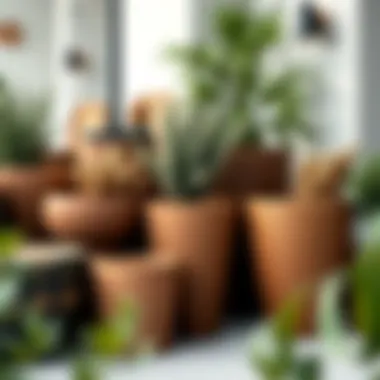
Placement strategies for large brown planters are pivotal in maximizing both their beauty and plant health. Whether outdoors or indoors, a well-placed planter can transform an ordinary space into something extraordinary. By being intentional about where and how you place your planters, you not only create visual interest but also cater to the specifics of the plants you choose to inhabit them.
Plant Compatibility with Large Brown Planters
Selecting the right plants for large brown planters is crucial for both aesthetic appeal and the health of the plants. It's not just about filling a pot with greenery; it's about creating a harmonious balance that respects the needs of the plants, the style of your space, and the specific functions of the planters. The selection process involves understanding the growth requirements, light conditions, and seasonal fluctuations that might affect your choices.
Selecting Appropriate Plants
When it comes to plant compatibility, the size and type of your planter play a significant role in determining what goes in it. Here are key considerations to keep in mind:
- Size of the Planter: Larger planters can accommodate bigger plants, such as small trees or large shrubs, which require more soil to secure their roots. Conversely, if the planter is relatively small, opt for compact plants like succulents or herbs.
- Growth Requirements: Different plants have various needs regarding soil, light, and water. For example, cacti and succulents thrive in well-draining soil and require less watering, while ferns or orchids might prefer a moisture-retaining mix. Always do your homework on specific plant species to ensure their compatibility with your selected planter.
- Visual Harmony: Consider the colors and textures of both your planters and your plants. Dark green ferns may pop against the earthy brown finish of a planter, while vibrant flowers can provide a striking contrast. Think about how the plants will look in combination and how they express your personal style.
- Seasonal Changes: Incorporating plants that bloom in different seasons can help maintain visual interest throughout the year. A large brown planter can host winter foliage, spring blooms, summer-lover sunflowers, and autumn leaves, all while being versatile enough to support them.
Seasonal Considerations
Planting is not a one-and-done affair. The changes in seasons bring different requirements and opportunities for a planter's inhabitants. Here’s a breakdown:
- Spring: This is the best time to introduce a variety of colorful annuals such as petunias and marigolds. Due to thawing temperatures, their vibrant blooms can brighten up your spaces associated with fresh growth.
- Summer: As temperatures rise, consider drought-resistant plants like lavender or Mediterranean herbs that flourish under the sun. Placing these in large brown planters can create a stunning focal point in your garden.
- Autumn: Seasonal plants such as ornamental peppers or chrysanthemums can be added to keep your planters lively amidst falling leaves. Their rich colors fit well with the earthy tones of brown planters.
- Winter: Think about evergreens or hardy perennials that can withstand colder temperatures. They not only add greenery but also provide depth and structure to your landscape during the chillier months.
In summation, selecting plants for large brown planters is both a science and an art. Understanding the specific needs of those plants while considering the placement and aesthetics of your planters can lead to a flourishing arrangement, greatly enhancing your outdoor or indoor spaces. By doing your due diligence, your efforts will yield a vibrant, welcoming environment that highlights your choice of planters beautifully.
"The true beauty of a planter lies not only in its potential as a container but in its ability to frame and showcase the life within."
For more tips on plant care and the best practices in landscaping, you may want to check out resources on basic gardening from Wikipedia or further insights on seasonal plants from Britannica.
Maintenance and Care of Large Brown Planters
Maintaining large brown planters is essential for ensuring longevity and a thriving plant life within them. Often, enthusiasts might overlook the importance of regular upkeep in favor of the aesthetic appeal they offer. However, ignoring proper care can lead to a decline in the health of the plants contained within or even damage to the planters themselves. With the right focus, homeowners and designers alike can keep these planters looking great and functioning well for years to come.
General Maintenance Guidelines
Keeping large brown planters in top shape starts with understanding some basic maintenance guidelines. First and foremost, ensure that the planters are clean. Debris and dirt can accumulate, making a cozy home for pests, not to mention it ain’t the best look.
An effective way to clean them is to use a mixture of warm water and mild soap. A sponge or soft cloth works well to scrub off any grime without scratching the surface. Rinsing the planters thoroughly afterward is crucial to avoid soap residue that can impact soil and roots.
Next, check the drainage holes. Clear any clogs that may be present. Good drainage is key—without it, water can collect at the bottom, which can lead to root rot. For planters without drainage holes, consider adding stones or gravel at the bottom to promote better water movement. This small step can make a significant impact on plant health.
- Inspect regularly for cracks or chips. These imperfections can worsen over time, impacting the structure.
- Rotate the planters periodically. This encourages even growth amongst the plants, as they won’t be competing for light on one side.
- Fertilize appropriately. Use a balanced fertilizer based on the specific needs of the plants residing in your large brown planters, especially during the growing season.
Seasonal Care Tips
As seasons shift, so too should the care you provide to your planters. Each season brings unique challenges and opportunities for plant care.
Spring is a time of renewal. During this season, reassess what’s been planted and consider whether new plants or rearranging is needed. It’s also an excellent time to refresh the soil in your planters with fresh potting mix to rejuvenate nutrient levels.
In summer, keep an eye on watering. Brown planters can heat up quickly, which may lead to drying out. Regularly check the soil moisture. A soil moisture meter might come in handy here, as keeping the right balance can be tricky.
As the leaves start to fall in autumn, it’s crucial to consider the impact of cooler temperatures. Bringing plants indoors can be necessary, especially for those that can’t handle frost. Always inspect for pests before transferring plants inside to avoid bringing invaders into your home.
Finally, winter is a time to take extra precautions. For outdoor planters, insulating the pots with burlap or bubble wrap can protect delicate roots from freeze damage. If possible, move planters to a sheltered location to avoid harsh winds and cold.
By following these maintenance guidelines and seasonal care tips, owners can ensure that their large brown planters remain not only beautiful but also functional. A small investment in care goes a long way in sustaining the life and vibrancy of plants and planters alike.
Sustainability Considerations
Sustainability is no longer just a buzzword; it has become a necessity in every aspect of our lives, including gardening and landscaping. Large brown planters, while functional and aesthetically pleasing, also present an opportunity to embrace sustainable practices. Utilizing these planters in eco-friendly ways can contribute significantly to reducing environmental footprints. In this section, we will dive into two essential areas: the use of eco-friendly materials and effective water management strategies.
Eco-Friendly Materials
When considering large brown planters, the materials used can have a massive impact on sustainability. Choosing planters made from eco-friendly substances is crucial. Here are some materials that not only provide durability but also promote sustainability:
- Recycled Plastic: Many planters are now crafted from recycled materials, thus diverting waste from landfills. They maintain a sturdy structure while promoting eco-consciousness.
- Bamboo: This fast-growing grass is increasingly popular for plant pots. It requires minimal resources for cultivation and absorbs carbon dioxide effectively, enhancing its eco-friendliness.
- Clay: Traditional clay pots are not only natural but also biodegradable. They can break down over time, ensuring that they don’t linger in landfills for centuries.
- Coconut Coir: This natural fiber derived from coconut husks is an excellent alternative that provides natural drainage and aeration for plants, all while being fully biodegradable.
By selecting planters made from these materials, homeowners and designers can contribute to a more sustainable future.
Water Management Strategies
Proper water management is an important consideration when using large brown planters, as it affects both plant health and resource conservation. Here are some strategies that can optimize water usage:
- Self-Watering Planters: These planters are designed with reservoirs that allow plants to take up water as needed. This reduces the frequency of watering and minimizes water waste.
- Drip Irrigation Systems: Installing drip irrigation can ensure that water goes directly to the plant's roots. This method significantly reduces evaporation and runoff, making it an efficient watering technique.
- Mulching: Adding a layer of mulch on top of the soil can help retain moisture, regulate temperature, and prevent weeds, all of which contribute to better water management.
- Rainwater Harvesting: Homeowners can set up systems to collect rainwater, using it for watering plants. This not only conserves water but also takes advantage of a natural resource.
"By adopting these water management strategies, you can protect your plants while taking a step towards a more sustainable lifestyle."
Cost Analysis of Large Brown Planters
Understanding the costs associated with large brown planters is crucial for homeowners, designers, and gardening enthusiasts alike. Not only can the financial aspect influence the type of planter you choose, but it can also shape the overall aesthetic and functionality of the space you are trying to create. In this section, we’ll break down the costs linked to various planters, examining budget-friendly options as well as high-end choices that deliver both quality and style.
Budget-Friendly Options
When budget constraints come into play, don’t fret! There’s a variety of budget-friendly large brown planters that can add charm without draining your wallet. Check this out:
- Plastic Planters: Lightweight and often cheaper, plastic options can mimic the look of more expensive materials. They're perfect for those who love to experiment with styles without a hefty investment.
- Resin Containers: Durable and affordable, resin can be found in numerous designs. It is water-resistant, making it suitable for both indoor and outdoor use.
- Fiberglass Planters: These can be somewhat of a middle ground in terms of pricing. They are lightweight yet sturdy, coming in various styles and finishes that won’t break the bank.
By sourcing plants from local nurseries or growing your own, you can trim costs even further. Look into native plants that typically require less maintenance and are more economical.
Investing in Premium Quality
On the other end of the spectrum, investing in high-quality large brown planters can pay off in longevity and aesthetic appeal. Here are some factors to consider when splurging on premium options:
- Material Matters: High-end planters are often crafted from durable materials like ceramic or high-grade wood. They not only look striking but also withstand the elements better, which is crucial for outdoor setups.
- Craftsmanship: When you invest in premium planters, you typically benefit from superior craftsmanship. Handmade or artisanal pieces often bring a unique touch to your decor, making them conversation starters in any setting.
- Longevity: A quality planter should last for years if not decades. While the initial cost is higher, you may find that you save more in the long run by not needing to replace cheaper planters frequently.
In summary, the cost analysis of large brown planters should guide your purchasing decisions. Whether you lean towards budget-friendly options or are ready to invest in premium quality, understanding your needs and how different materials align with your environment can lead to a rewarding purchase.
"Choosing the right planter is not just about aesthetics; it’s about making a sound investment that complements your space for years to come."
By outlining the cost implications, this section aims to ensure readers feel informed and prepared to make choices that suit their financial and aesthetic goals. The right large brown planter can enhance both indoor and outdoor environments, bringing life and style wherever it is placed.
Trends in Large Brown Planters
Keeping pace with the changing landscape of interior and exterior design, large brown planters have seen a shift in trends over the years. Understanding these trends not only helps homeowners make informed purchases, but also aids designers in crafting appealing spaces that stand the test of time. Adapting to current market preferences and predicting future inclinations in planter designs can enhance not just aesthetic appeal but also functionality in gardening and landscaping.
Current Market Trends
As of now, several trends dominate the large brown planter market. First and foremost, sustainability is at the forefront of many buyers’ minds. Eco-friendly materials like reclaimed wood and recycled plastics are gaining traction. Consumers are increasingly looking to reduce their carbon footprint and choose products that align with their values. For instance, a planter made from recycled materials not only serves its purpose but also tells a story of commitment to the environment.
Moreover, minimalistic designs are gaining significant popularity. Large brown planters with clean lines and simple shapes, often in muted shades of brown, are favored for their versatility. They can blend seamlessly with a variety of architectural styles, from modern to rustic. Additionally, textured finishes, such as those resembling natural stone or clay, are becoming a hit. They add a tactile dimension that invites touch and enhances visual interest.
On the indoor front, oversized planters are on the rise, acting as statement pieces in spaces such as living rooms and office environments. These large planters incorporate boldness while providing ample room for thriving plants. The trend towards biophilic design has contributed to this shift, as people seek ways to incorporate nature into their living and working spaces.
"Green is the new black" – Homeowners want to embrace greenery not just outdoors but indoors as well, and large brown planters provide the perfect solution.
Finally, many consumers are opting for modular planters, allowing for customizable arrangements. This trend encourages creativity and adaptability, appealing to those who regularly change their decor or want to experiment with different plant combinations.
Future Projections
Looking ahead, several projections can be made regarding the trends in large brown planters. The emphasis on sustainability is only expected to grow. As new technologies in manufacturing continue to develop, we may see even more innovative materials debut in the market. Imagine planters made from biodegradable composites or advanced materials that mimic traditional woods without the maintenance hassle. The future may also bring improvements in self-watering systems, making maintenance easier for urban dwellers and novel gardeners alike.
Furthermore, the trend toward personalization is likely to amplify. Customizable sizes, colors, and finishes will cater to individual tastes even more effectively. Designers may begin to offer bespoke solutions for customers, creating unique pieces that echo personal stories or cultural backgrounds.
Technological advancements might lead to smart planters equipped with sensors to monitor soil moisture and light levels, alerting users when intervention is needed. This merging of gardening with technology can potentially attract a younger, tech-savvy demographic who may be green-thumb novices but appreciate the ease of incorporation.
In summary, as trends ebb and flow, those within the realm of large brown planters reflect broader shifts towards sustainability, minimalism, and personalized design. It’ll be fascinating to see how these planters evolve further, continuing to play a vital role in the aesthetics and functionality of our living spaces.
Cultural Significance of Planters
The cultural significance of planters, particularly large brown varieties, transcends mere functionality. They act as a canvas where nature and artistry intersect, telling stories of tradition, identity, and community. In various cultures around the world, planters embody more than just a home for plants; they serve as symbols of status, environmental connection, and aesthetic expression. Understanding these significances helps homeowners, designers, and gardening enthusiasts appreciate their roles in both personal spaces and public realms.
Historical Usage
Historically, planters have played a pivotal role in different societies. In ancient civilizations like Egypt, large vessels were used to cultivate water lilies and other sacred flora. These planters were often ornate, symbolizing both spiritual connection and societal status. The Greeks and Romans also employed planters, using them to showcase prized plants in their gardens, indicating a wealth of resources and an appreciation for beauty in nature.
In Asia, specifically in countries like Japan, bonsai trees are often cultivated in intricately designed pots, highlighting the rich cultural significance of gardening as a meditative practice. The ability to shape and nurture even the smallest plant reflects a deep respect for nature and one's own personal growth.
During the Renaissance, large clay pots and decorative urns adorned estates and gardens throughout Europe. Such planters were not only functional but also a testament to wealth and status. They were often viewd as an extension of the home into the garden, making the connection between architecture and nature more profound.
Symbolism in Various Cultures
Planters often carry symbolic meanings that reflect broader cultural values. In many Native American cultures, plants carry spirits and are used in rituals, emphasizing their connection to the earth and tradition. For these communities, using planters can evoke respect for the earth, showcasing an inherent understanding of sustainable living.
Moreover, in Mediterranean cultures, terracotta planters are prevalent, symbolizing warmth, life, and hospitality. They often carry a rustic charm that resonates with the landscapes around them, from sun-drenched patios to vibrant home gardens. The color brown, in this context, reflects a connection to the earth and community—a foundation on which relationships and life blossom.
"Planters are not just about holding soil; they are vessels that reflect our history, our connections to each other, and our shared spaces."
In summary, large brown planters encapsulate much more than the plants they cradle. Their cultural significance is woven into threads of history, symbolism, community values, and personal expression. Understanding these facets can enrich the experience of any homeowner or designer, encouraging them to select their planters with care and mindfulness.
End
As we wrap up our in-depth exploration of large brown planters, it's crucial to recognize their significant role in the landscape of both outdoor and indoor design. These planters are not mere vessels for plants; they are transformative elements that enhance the aesthetic and functional aspects of a space. Their earthy hue offers a grounding effect in bright environments, making them versatile for various settings.
Key Takeaways
- Versatility in Design: Large brown planters can suit a variety of styles and tastes. Whether modern, traditional, or rustic, selecting the right planter can greatly influence the atmosphere of your space.
- Material Matters: Understanding the different materials used in these planters is essential. Each material—from ceramics to wood—imparts unique look and feel, along with varying levels of maintenance and care requirements.
- Plant Compatibility: It's not just about the planter; the right plant pairing is equally important. Considering the growth needs, size, and seasonal changes of plants can lead to a flourishing arrangement that enhances your environment.
- Maintenance Considerations: Regular care and thoughtful placement strategies can prolong the life of your planters and ensure your plants thrive. This can significantly affect the longevity and sustainability of both the planters and the plants within them.
Final Thoughts on Large Brown Planters
Large brown planters serve as a testament to the seamless blend of functionality and artistry. Their presence can transform spaces, making them feel more alive and welcoming. For homeowners, interior designers, and gardeners, these planters offer the opportunity to express creativity and enhance personal spaces uniquely. In a world increasingly leaning towards sustainability and harmony with nature, investing in quality planters made from eco-friendly materials stands out as not only a design choice but also a step towards responsible living.
Ultimately, large brown planters are more than just functional items; they are a canvas for creativity, a tool for enhancing environments, and an integral part of a sustainable future.