Understanding Hard Wired Cabinet Lights: A Detailed Guide
Intro
In today's world, the intersection of functionality and aesthetics in home design has never been more critical. Homeowners and designers alike are keen on maximizing not just the beauty of their spaces but also their utility. Among the latest trends on the market, hard wired cabinet lights stand out as a top choice for those looking to illuminate their living spaces in style. These lights offer more than just basic illumination; they come with a slew of benefits that can enhance the overall look and feel of any room.
Hard wired lighting solutions seamlessly integrate into cabinetry, creating a clean and polished appearance. This style significantly boosts the ambiance, particularly in kitchens, living rooms, and other areas where storage meets design. But what makes these lights worth considering? It's all about the blend of design, energy efficiency, and flexibility in installation methods.
Before jumping into the nitty-gritty details of installation and benefits, let’s take a closer look at the furniture styles that these lights complement most naturally, and how current design trends are shaping their use in modern homes.
Foreword to Hard Wired Cabinet Lights
In today’s homes, cabinet lighting plays a crucial role in not only illuminating spaces but also enhancing their aesthetic appeal. When it comes to effective lighting solutions, hard wired cabinet lights stand out for their durability and functionality. Understanding this important topic provides insight that homeowners, interior designers, and decorators can use to elevate their living spaces.
Hard wired cabinet lights, as the name suggests, are directly connected to the home’s electrical system. This integration means that they do not rely on batteries or plugs, offering a more permanent and professional look. The seamless design often creates an atmosphere that highlights the beauty of cabinetry, transforming the mundane into the extraordinary. Benefits abound, from improved visibility when working in kitchens to creating cozy and inviting environments in display cabinets.
Moreover, considerations such as installation processes, energy efficiency, and style compatibility can affect not only the choice of fixtures but also their overall success in the design. Choosing the right lighting can enhance functionality, promote energy savings, and contribute to an overall cohesive design scheme.
Definition and Overview
Hard wired cabinet lights encompass various lighting solutions installed directly into cabinetry, providing seamless illumination for both functionality and aesthetics. These lights can range from recessed lights hidden at the top of cabinets to under-cabinet fixtures that shine light onto countertops and aid in illuminating workspace areas. Such lights not only improve visibility but can also showcase decorative items, family heirlooms, or fine china stored within the cabinets.
Additionally, they often allow for customizable lighting effects, depending on the type selected. For instance, dimmable options can give homeowners control over how bright or soft the light appears, which can further influence the ambiance of a room.
History and Evolution
The evolution of lighting technology traces back centuries, but the specific concept of hard wired cabinet lights is more recent. In earlier times, cabinetry relied on basic bulb fixtures or candlelight, which were less efficient and offered limited versatility. As electrical systems developed, so did the options available for integrated lighting.
By the late 20th century, the rise of modern kitchen designs began to embrace cabinetry lighting to highlight aesthetics and functionality. Designers sought solutions that combined practicality with style, giving birth to the under-cabinet light systems widely adopted today. Innovations have continuously emerged, such as LED technology, which reduced energy consumption while enhancing brightness, expanding the options available for cabinet lighting.
In summary, understanding hard wired cabinet lights entails examining their practical applications and aesthetic contributions while recognizing the historical context that shaped their development. Armed with this knowledge, one can make informed choices about integrating these valuable additions into their spaces.
Benefits of Hard Wired Cabinet Lighting
Hard wired cabinet lighting serves as a focal point in modern design, marrying functionality with aesthetics. This section dives into the advantages that these lighting solutions offer. Understanding these benefits is crucial for homeowners, interior designers, and anyone looking to elevate their space through effective lighting choices.
Enhanced Aesthetics
Hard wired cabinet lights are not just about illuminating a space; they are about creating an atmosphere. Picture a kitchen, where recessed lights set into cabinets soften harsh shadows and cast a warm glow across countertops. This isn’t just an upgrade; it’s a transformation.
- Visual Appeal: Adopting such lighting can completely change how your space feels. Imagine sleek, minimalistic under-cabinet strips, or perhaps charming pendant lights glittering over a breakfast nook. The right system enhances the overall look, complementing interior decor perfectly.
- Theme Harmony: Think about it—your lights can enhance the style of your cabinetry. From rustic to modern, there's a fixture that fits every theme. The right choice creates a cohesive design while avoiding any visual dissonance.
- Spatial Illusion: Good lighting tricks the eye. It makes spaces feel larger, more inviting. Shadows play a crucial role, and with strategically placed fixtures, you can draw the eye upward or emphasize depth in cabinetry.
As you contemplate your space, ask yourself: Do the lights enhance or detract from the esthetic value? Moving forward, it’s about that balance.
Improved Functionality
Proper lighting can mean the difference between a stress-free cooking experience and fumbling through dark corners. Here's where hard wired cabinet lights come into play.
- Task Lighting: For homeowners who love to cook or craft, adequate lighting is non-negotiable. Under-cabinet fixtures provide a direct beam of light right where it’s needed most—be it chopping vegetables or reviewing craft instructions.
- Visibility Enhancement: Clear visibility is particularly important for cabinets that host dishware or fine china. Without proper lighting, a beautifully organized cabinet remains hidden from view. Lighting brings those treasures into the light, showcasing both form and function.
- Multipurpose Areas: Think of the kitchen as multi-functional. Often, additional spaces are used for dining, homework, or even casual gatherings. A well-lit environment not only makes things easier but also allows for versatility in how the space is used.
Above all, ask yourself: How accessible is your space? Good lighting should empower you to use every nook efficiently.
Energy Efficiency Considerations
As we become more conscious about energy consumption, the choices we make in our homes matter significantly. Hard wired cabinet lights, particularly when chosen wisely, can be an environmentally friendly solution.
- LED Options: Many modern fixtures use LED technology. This not only reduces power consumption but also has a longer lifespan. An investment today can lead to savings in both energy bills and replacement costs down the line.
- Smart Lighting: Integrating smart technology allows homeowners to set schedules or use motion sensors. Imagine lights coming on only when you need them. This aspect of control helps to further reduce waste, making living spaces both practical and sustainable.
- Consideration of Usage: Before installation, it’s worth examining how often each area will see use. Bright, energy-consuming lights may not be necessary in spaces that are not frequently accessed. Tailoring your lighting to your actual lifestyle is a smart and manageable approach.
In a world that increasingly values sustainability, consider: Are your lighting choices contributing to or detracting from an efficient energy narrative?
Types of Hard Wired Cabinet Lights
Understanding the different types of hard wired cabinet lights is crucial for making informed decisions that directly impact the aesthetics and functionality of living spaces. The right lighting can transform an ordinary kitchen or workspace into an inviting area that not only serves its primary function but also enhances the overall decor. In this section, we will explore three main types: recessed lighting, under-cabinet fixtures, and in-cabinet lighting. Each type has its unique benefits and considerations that can cater to various design preferences and practical needs.
Recessed Lighting
Recessed lighting has gained popularity for its sleek and minimalistic design. Installed into the ceiling, these lights provide a clean and unobtrusive appearance while effectively illuminating the space below. This type of lighting is beneficial in areas where overhead fixtures might be too heavy or visually overwhelming.
Advantages of recessed lighting include:
- Subtle illumination: Because these lights are embedded, they don’t take up visual space. This is particularly useful in smaller kitchens or areas where you want to maintain an open feel.
- Versatility: Recessed lights can be angled to highlight specific areas, enhancing the functionality of cabinet lighting.
- Reduced shadows: When positioned properly, recessed lighting minimizes shadows and dark corners, which is ideal for tasks that require precision.
However, it’s essential to ensure that the right wattage and color temperature are selected to align the lighting with the overall design theme.
Under-Cabinet Fixtures
Under-cabinet fixtures are designed to be mounted directly beneath cabinets, offering direct illumination on countertops and workspaces. This type of lighting is especially beneficial in kitchens, as it provides task lighting essential for food preparation and other activities.
Key benefits of under-cabinet fixtures include:
- Focused Task Lighting: They deliver illumination exactly where it's needed, making them ideal for slicing vegetables or reading recipes.
- Enhancing Ambiance: Many homeowners opt for dimmable under-cabinet lighting to easily switch the mood from functional to cozy.
- Easy Installation: Depending on the selected style, they can often be installed without extensive renovations, making them a favorite for DIY enthusiasts.
It's vital to assess the style of fixtures in harmony with the cabinetry to ensure cohesive design throughout the space.
In-Cabinet Lighting
In-cabinet lighting serves as an exciting option for those wanting to make the interior of cabinets as inviting as the exterior. This type includes small lights that can be added within or at the edges of cabinets, showcasing products, decorative items, or even dishware.
Some considerations include:
- Showcasing Items: It allows homeowners to turn their cabinets into displays, highlighting collections like fine china or decorative glassware.
- Accessibility: In-cabinet lighting makes it easier to find and access items without fumbling in the dark, especially during late-night snack runs.
- Design Flexibility: These lights come in various forms such as strips or puck lights, which can fit different cabinet styles and dimensions.
In-cabinet lighting not only elevates the overall aesthetic but also reinforces the functionality of your cabinetry, making it a compelling choice.
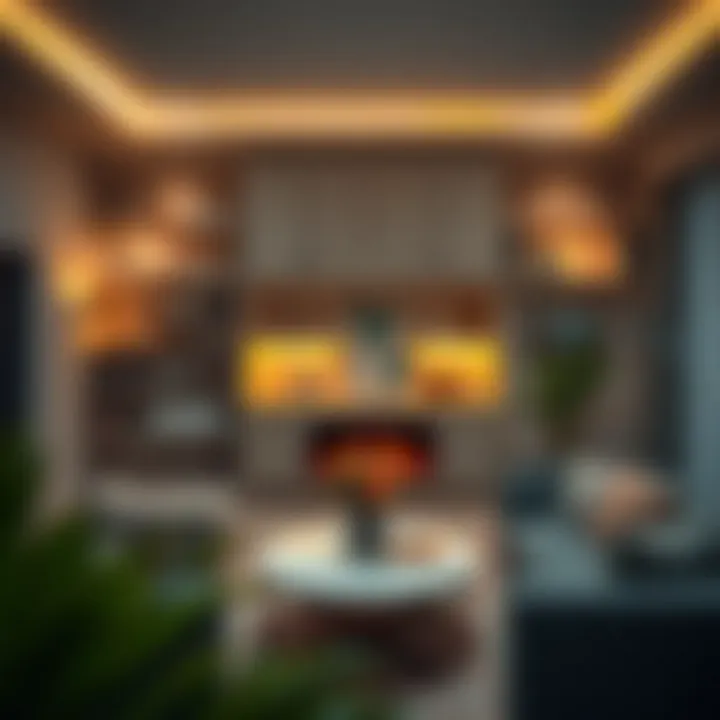
Overall, selecting the appropriate type of hard wired cabinet lights involves pairing the lighting’s functionality with your personal style and the designated space requirements. Whether it’s recessed options for a sleek look, under-cabinet fixtures for task-oriented tasks, or in-cabinet lights for those special touches, each option carries unique advantages worth considering.
Installation Process for Hard Wired Cabinet Lights
Installing hard wired cabinet lights is more than just a practical endeavor; it's a transformation that can redefine a space. The process requires careful consideration and planning, which can make all the difference in executing a successful lighting effect. Proper installation elevates aesthetics but also amplifies the operation of your cabinetry. Below, we explore the essential steps and components of the installation process.
Preparation and Planning
Before diving into the technicalities, a clear plan is vital. Understanding the layout of your cabinets, along with what type of lighting you wish to install, is your first step.
- Assess the Space: Examine the areas needing illumination. Is it a kitchen, a bathroom, or perhaps a living room? Different environments demand different lighting approaches.
- Purpose of Lighting: Identify if the goal is to enhance visibility, create ambiance, or both. It influences your choice of brightness and color temperature.
- Plan Wiring Pathways: Determine where the power source is and how you’ll run wiring to your fixtures. Consider intricate designs where wiring could affect aesthetics.
Effective planning avoids future headaches. Having blueprints makes the installation process smoother, ensuring you fully utilize the benefits of your lighting.
Tools Required for Installation
Having the right tools at your disposal can make the work efficient and much easier. Here’s a toolbox checklist:
- Binary Test Meter: For confirming power in existing wiring.
- Drill and Drill Bits: For making holes to route wiring and attach fixtures.
- Wire Strippers: To prepare wiring before connections.
- Screwdrivers (Flat and Phillips): For securing fixtures.
- Level: Ensures your lights are installed straight and true.
- Measuring Tape: Essential for ensuring accuracy in placement.
Gathering these tools beforehand can save time and effort, ensuring you don’t have to pause mid-installation.
Step-by-Step Installation Guide
Here's a practical step-by-step guide to help you along the way:
- Turn Off Power: Always start by disconnecting electricity to avoid accidents.
- Install the Fixture Mounting: Using a drill, secure the mounting brackets according to the manufacturer’s instructions. Make sure it’s firmly attached to a stable part of the cabinetry.
- Run the Wiring: Feed the wire through the desired pathways. If you’re dealing with multiple fixtures, run the wire in parallel, which can sometimes need junction boxes.
- Make Connections: Strip the ends of wires and connect them to the light fixtures. Usually, it involves connecting black to black (live), white to white (neutral), and ground wires.
- Test the Setup: Before completely sealing everything up, restore power temporarily to check if the lights work. If all’s good, turn off the power again for the next steps.
- Secure Everything: Once confirmed working, finish securing the fixtures and cover all wiring properly.
- Final Touches: Adjust the fixtures to desired angles and ensure they are clean. Turn on the power once again to admire your handiwork.
This systematic approach to installation not only ensures safety but also yields an effective outcome in lighting. Well-installed hard wired cabinet lights can enhance your living spaces significantly, turning a mundane cabinet into something spectacular.
Design Considerations When Choosing Lights
When selecting hard wired cabinet lights, the design implications extend beyond mere aesthetic appeal. It's the intersection of functionality and style that creates a cohesive living space. These considerations ensure not only that the lights fit into the overall design scheme but also that they serve their intended purpose without compromising on energy efficiency and user experience. Let's explore the key facets of style compatibility, color temperature selection, and dimmer options that can shape your decision-making process.
Style Compatibility
Choosing lights that align with the existing decor is crucial. Whether your home boasts a sleek modern vibe, a rustic charm, or a mid-century flair, the fixtures should complement the style of your cabinets and overall interior.
For instance, if you're dealing with a contemporary kitchen outfitted with minimalist cabinetry, sleek, streamlined fixtures can enhance the streamlined aesthetic. On the other hand, if your space radiates a cozy farmhouse feel, consider fixtures that have a vintage touch or rustic finishes. A wrong choice can stick out like a sore thumb, disrupting the design language you've worked hard to cultivate.
Key Points to Consider:
- Match Finishes: Consider light fixtures with finishes like brushed nickel for modern styles or wrought iron for rustic designs.
- Fixture Shape and Size: Choose shapes that complement cabinet lines. Too large or small can throw off the balance of the room.
- Installation Locations: Under-cabinet lights might need different styles than in-cabinet lights. Plan accordingly.
Color Temperature Selection
The color temperature of your lights plays a vital role in setting the mood of your space. It's measured in Kelvins (K) and varies from warm white, which is cozy (around 2700K), to cool white, which is more energizing (around 5000K).
When choosing color temperature for cabinet lighting, consider the atmosphere you wish to create. Warmer tones tend to provide an inviting ambiance, making them perfect for social spaces like kitchens and living areas, while cooler tones are ideal for tasks and functional spaces where clarity is key.
Considerations when Selecting Color Temperature:
- Task Versatility: For a kitchen workspace, aim for a brightness that enhances visibility without being harsh.
- Emphasis on Colors: Certain color temperatures can influence how colors appear in your cabinets. Warmer tones may soften colors, while cooler tones can enhance contrast.
Dimmer and Control Options
Incorporating dimmer switches adds a layer of versatility to your hard wired lights that can enhance functionality as well as energy efficiency. They allow you to adjust the light intensity to match the occasion—be it an energetic cooking session or a calm dinner setting.
Smart dimmers can also be integrated into a broader home automation system, providing further convenience. Imagine dimming lights through an app, or with a voice assistant; it's the future of home lighting right at your fingertips.
Dimmer Considerations:
- Compatibility: Ensure your dimmer is compatible with the chosen lighting type—especially with LED bulbs, as not all dimmers work seamlessly.
- User Experience: Think about who will be using the lights. If children or elderly are part of the household, ease of control is key.
- Zone Lighting: Use dimmers to create different zones within the same space, allowing for varied moods and purposes.
By keeping design considerations at the forefront, homeowners can ensure their selection of hard wired cabinet lights is not just about illumination, but an enhanced, integrated part of their living environment.
Common Mistakes in Installation
Understanding common mistakes in the installation of hard wired cabinet lights can save you from costly renovations and headaches down the line. Installation matters greatly, as improper practices can lead to safety hazards, inefficiencies, and unsatisfactory aesthetics. A well-installed lighting system not only illuminates your cabinetry effectively but also adds an appealing touch to your decor. By avoiding common pitfalls, you can ensure both functional and stylish outcomes in your lighting projects.
Improper Wiring Practices
One of the frequent blunders in the installation of hard wired cabinet lighting is improper wiring. This mistake can come from various missteps, such as using the wrong gauge of wire or failing to follow the correct wiring scheme.
Using inadequate wire can cause overheating issues, potentially resulting in fire hazards. Additionally, if the connections are loose or not properly insulated, you might face flickering lights or even power outages.
Consider these essential points while wiring:
- Use the proper wire type: For most applications, 14-gauge wire is often adequate, but be sure to check local codes.
- Secure connections: Make sure all wire nuts are snug, and check that there are no exposed wires.
- Avoid daisy-chaining: Instead of connecting multiple fixtures in series, each fixture should ideally have its own run back to the power source.
In this case, it's better to be safe than sorry; always consider consulting with a licensed electrician when in doubt.
Misplaced Fixtures
Another common error is the placement of the fixtures themselves. Misplaced lights can cause uneven illumination, shadowy corners, and even blinding effects if positioned too low or too high.
When determining fixture placement, consider the following elements:
- Focus on function: Positioning lights directly above work areas, like countertops, ensures that you’ll have effective task lighting.
- Maintain consistency: For a uniform look, align fixtures the same distance from the cabinetry.
- Test before you install: Create a temporary setup with the fixtures to visually assess where they should go before finalizing the installation.
It’s all about achieving the right mix between aesthetics and functionality. A well-placed light provides not only beauty but also ensures that you’re lighting up the spaces you use the most.
Neglecting Local Codes and Regulations
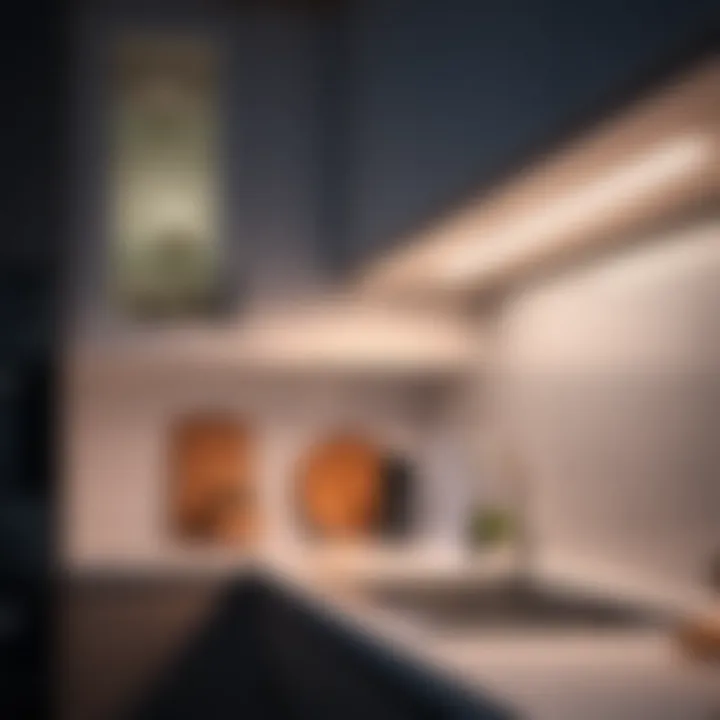
Finally, neglecting local codes and regulations can be a costly mistake. Each region has its own building codes that dictate safe electrical practices, particularly when it comes to hard wired installations.
Failing to comply can lead to not just safety hazards but also potential fines or the need to redo your installation entirely. Before starting your project, check the following:
- Permits: Some installations require permits; it's essential to know what’s needed in your area.
- Building codes: Familiarize yourself with local regulations, especially those that pertain to electrical installations.
- Inspections: You may need to have your work inspected after completion to ensure compliance.
"If you don't play by the rules, you might end up picking up the pieces later."
Taking the time to adhere to these guidelines not only ensures your safety but also protects your investment in your home.
By avoiding these common mistakes, you ensure that your hard wired cabinet lighting installations will be both aesthetically pleasing and structurally sound, providing the best possible ambiance for your space.
Maintenance and Care of Hard Wired Cabinet Lights
Maintenance of hard wired cabinet lights is often an overlooked aspect of home lighting, yet it plays a pivotal role in ensuring the longevity and efficiency of these fixtures. Regular upkeep not only enhances their performance but also maximizes the aesthetic appeal and functionality of your cabinetry. Without proper care, accumulated dust, grime, and wear can diminish both the brightness and the visual impact of your lighting.
Incorporating a routine maintenance schedule into your home care can save you from headaches down the line. Well-maintained lighting can reduce energy costs since cleaner fixtures emit brightness more effectively, requiring bulbs to work less strenuously. Moreover, it contributes to a safe environment by preventing potential electrical issues that can arise from faulty or neglected wiring and connections.
Regular Cleaning Tips
To keep your hard wired cabinet lights shining bright, regular cleaning is essential. Here are some practical tips:
- Dust Frequently: Use a microfiber cloth to dust the fixtures at least once a month. This prevents dust buildup, which can affect brightness.
- Gentle Cleaning Solutions: For deeper cleaning, mix a few drops of dish soap in warm water. Avoid harsh chemicals that could damage the finish of your lights.
- Check Light Bulbs: Periodically inspect and clean light bulbs to ensure maximum light output. A quick wipe with a soft cloth can enhance brightness.
- Use a Soft Brush: If your lights have intricate designs or hard-to-reach areas, a small, soft brush can help dislodge dirt without scratching the surface.
- Turn Off Power: Always switch off and unplug the lights before cleaning. This ensures safety and prevents electrical mishaps while you work.
Taking these steps will not only ensure your lights remain visually appealing but also function at their best. Investing a little time regularly goes a long way for keeping your environment well-lit and welcoming.
Troubleshooting Common Issues
Even with regular maintenance, issues can arise with hard wired cabinet lights. Knowing how to troubleshoot common problems can prevent small issues from escalating into larger ones:
- Flickering Lights: This can indicate a loose connection or a dying bulb. Check all wiring and connections. If it’s not the bulb causing the issue, professional assistance may be needed.
- Burned Out Bulbs: If a bulb goes out, ensure you replace it with one of the same wattage. Inspect the socket for corrosion.
- Overheating Fixtures: If lights feel hot to the touch, they may be overloading. Turn them off immediately, and check your circuit load. Consider using energy-efficient bulbs.
- Dimming or Weak Light: Check for dust on bulbs and ensure all connections are secure. Also, examine if the installed bulb is compatible with the fixture. Using the wrong bulb can lead to inadequate lighting.
- Frequent Breakage: If bulbs break often, consider reviewing the fixture type or consulting an electrician. It may be a wiring issue that requires professional intervention.
By understanding these common issues and their troubleshooting steps, homeowners can manage and maintain their hard wired cabinet lights efficiently. Keeping an eye on the performance of these fixtures will not only prolong their life but also enhance your living space with consistent and reliable lighting.
Innovative Trends in Cabinet Lighting
The landscape of cabinet lighting is evolving rapidly, merging form with function in ways that were once thought to be far-fetched. When we talk about innovative trends, we’re not just tossing around buzzwords; we’re diving into the core of what makes functionality and aesthetics work in tandem. Cabinet lighting, especially hard wired options, are no longer just about illumination. Homeowners and designers alike are harnessing these developments to create spaces that are not only bright, but also smart and eco-friendly. Let’s unpack some of these trends.
Smart Technology Integration
The integration of smart technology into cabinet lighting represents a game changer in how we interact with our living spaces. Imagine flipping a switch, only to realize that your lights respond not just to the flick of your wrist, but also through a simple voice command or even an app on your phone. This isn't a futuristic dream; it's the new reality for many homeowners today.
Smart lighting systems offer multiple benefits including:
- Convenience: Controlling lights remotely is incredibly handy, especially for those who often forget to turn them off.
- Customization: Systems like Philips Hue enable users to set schedules, adjust brightness, and even change colors to match moods or occasions.
- Energy Efficiency: Smart lights can automatically adjust based on ambient light levels, helping to conserve energy and reduce electricity bills.
In addition to these benefits, integrating smart lighting solutions in cabinetry can create an atmosphere tailored to any activity, from a cozy dinner setting to an efficient workspace. Brand names like Lutron and Leviton have made significant strides in ensuring that these technologies are user-friendly while seamlessly blending with home aesthetics.
Sustainable Lighting Solutions
As the world shifts towards more sustainable living practices, cabinet lighting is no exception. Homeowners are not just focusing on what looks good, but also on what positively impacts the environment. Switching to LED lights is an immediate step towards sustainability, but it's deeper than just the bulb itself.
Consider the following sustainable practices in cabinet lighting:
- Energy-efficient choices: LEDs consume significantly less energy compared to traditional incandescent lights, and they last longer, resulting in less waste.
- Environmentally friendly materials: Many manufacturers are now opting for eco-friendly materials in their light fixtures and components, reducing the carbon footprint associated with production.
- Recyclable components: Innovations now also include designs that allow for easy disassembly and recycling, further minimizing environmental impact.
Embracing these solutions does more than enhance your cabinets; it fosters a sense of responsibility towards our planet. Homeowners who invest in sustainable lighting are often perceived as forward-thinkers, leading the way in responsible design choices.
With the rise of innovative cabinet lighting trends, it’s clear that the future holds more than just functional illumination; it promises a blend of convenience and environmental mindfulness.
In summary, as innovative trends in cabinet lighting continue to reshape the industry, they cater to a more sophisticated and conscientious audience. Both smart technology integration and sustainable solutions are at the forefront of enhancing how we illuminate our spaces, marrying functionality with modern-day aesthetics.
Case Studies of Effective Hard Wired Cabinet Lighting
The realm of hard wired cabinet lighting expands beyond mere function; it intertwines with design, utility, and the overall ambiance of a space. Case studies provide tangible examples of how these lighting solutions have transformed various environments. Both galleries and showrooms as well as home renovation projects showcase not only the aesthetic vitality hard wired cabinet lights bring but also their practicality. By reviewing real-life implementations, one can gain insights into the diverse applications and the impact of thoughtful lighting choices.
Galleries and Showrooms
Case studies from galleries and showrooms illustrate the sophisticated use of hard wired cabinet lights in a professional setting. These spaces often aspire to create a distinct experience that leaves a lasting impression on visitors. To achieve this, lighting is meticulously designed to enhance the aesthetic qualities of the displayed works.
In one notable art gallery, recessed lighting worked in tandem with under-cabinet fixtures to highlight sculptures while castings warm shadows and contrasts on the walls. This lighting arrangement drew the viewer's attention seamlessly from one art piece to another, encouraging them to linger and engage. The careful placement of spotlights and subtle ambient lighting creates a unique atmosphere that can only be born from experience and consideration of the fixture's influence.
Additionally, showrooms have seen a significant shift in their lighting strategies. Showrooms for high-end kitchen designs use under-cabinet lights not only to illuminate countertops but to create a visceral connection to quality and functionality. Recessed ceiling lights wash the space in an inviting light, while task lighting draws focus where it matters most. This multifaceted approach not only exhibits the capabilities of a kitchen but evokes an emotional response from prospective buyers.
"Lighting should never be a background player. It’s the lead in the story of design," noted an interior designer who specializes in showroom setups. This sentiment resonates through case studies where light directs attention and creates an experience.
Home Renovation Projects
On the side of private residences, home renovation projects stand out as perfect examples of how hard wired cabinet lights can be tailored to meet personal needs while also boosting home value. In one particular project, a homeowner transformed a dated kitchen into a modern chef's paradise through the strategic implementation of under-cabinet lights.
During the renovation, the homeowner opted for a combination of warm white LED lights to enhance the natural tones of the countertops and cabinets. The resulting illumination not only improved functionality for cooking and preparation but also encouraged a warm, inviting environment for family gatherings. This project demonstrated how functional redesign could yield considerable comfort and style, boosting both aesthetics and practical usability during daily tasks.
Furthermore, a basement remodel showcased how effective lighting can alter space perception. Cabinet fixtures meticulously integrated into custom-built cabinetry provided illumination and showcased personal memorabilia, displaying a vibrant narrative of the homeowner's journey. Well-placed recessed lights accentuated this, allowing the layers of design to unfold like a well-told story. The feedback from the family highlighted how the space evolved from dark and cramped to a bright, welcoming area where they spent time together.
In essence, these case studies serve to reveal that hard wired cabinet lights do not merely fulfill a basic need for visibility; instead, they enrich environments, reflect personal style, and enhance functionality. They attain dual results of meeting practical demands while cultivating an inviting atmosphere.
By examining successful applications in both galleries and personal spaces, it lays fruitful groundwork for understanding the manifold benefits of effective lighting solutions. In upcoming sections, these insights can pave the way for further exploration of costs involved and user experiences related to these cabint lights.
Cost Analysis of Hard Wired Cabinet Lights
Analyzing the costs associated with hard wired cabinet lights proves invaluable for homeowners and designers alike. The financial aspects of such installations encompass not only the initial expenditure but also the long-term savings potential. Understanding this balance can greatly influence decisions on lighting solutions, ensuring that financial resources are utilized effectively while enhancing the overall aesthetic and functionality of a space.
Budget considerations often dictate the types of fixtures one might choose. Before jumping into specific figures, it’s essential to grasp how initial costs can quickly translate into savings down the road.

Initial Purchase vs. Long-term Savings
When pondering over the purchase of hard wired cabinet lights, one must differentiate between upfront costs and enduring financial benefits. The market offers a variety of options ranging from budget-friendly models to high-end designer fixtures. Here's how they stack up:
- Upfront Costs:
- Long-term Savings:
- Additional Factors:
- Brand A under-cabinet lights may range from $50-$100 for basic models.
- Brand B’s recessed fixtures might command prices starting from $100 upwards, particularly for those with advanced features.
- Investing in LED options often yields significant energy savings. These fixtures can consume up to 75% less energy than incandescent bulbs, resulting in lower electricity bills. Over time, this savings can offset the initial purchase significantly.
- Furthermore, many LED lights boast a lifespan of over 25,000 hours. Compare that to traditional bulbs which may last only 1,000 hours, and the savings on replacements becomes clear.
- Tax incentives and rebates for energy-efficient products may also exist in your jurisdiction, potentially lowering costs even further.
A careful breakdown of these factors can demonstrate how spending a tad more upfront can translate into savings in subsequent years.
Budgeting for Installation
Budgeting for installation focuses on both the materials and labor costs associated with hard wired cabinet lights. This generally encompasses:
- Materials: Cost of wiring, connectors, and fixtures generally ranges from $200 to $500, depending significantly on the complexity of the installation and the type of lights selected.
- Labor Costs: Hiring an electrician can set you back anywhere from $50 to $100 hourly. For most cabinet light installations, budgeting for 3 to 5 hours of labor is advisable.
Moreover, consider the following when budgeting:
- Additional Equipment: Some installations may require dimmers or smart home integration, which can add to the overall cost. These items generally run between $20 to $100 each.
- Unexpected Expenses: Factors such as old wiring or other existing conditions in the home may lead to extra costs. Setting aside an additional 10 to 20% of your total budget can be wise to cover any unexpected issues.
The goal here is to make a financial plan that includes all potential expenses. A well-structured budget not only helps in acquiring the desired lighting effect but also ensures that it’s a sound investment for the future.
"A penny saved is a penny earned, especially in the world of home renovations."
User Experiences and Feedback
User experiences and feedback play a crucial role in understanding the effectiveness and appeal of hard wired cabinet lights. These fixtures are designed not just to illuminate a space, but to enhance its overall functionality and aesthetic. Hearing what actual users have to say can provide invaluable insights into their practical applications, advantages, and even potential drawbacks. For homeowners, interior designers, and anyone involved in the renovation process, this feedback is like gold.
By focusing on user experiences, we can better appreciate how these lighting solutions perform in real-life situations. Feedback often sheds light on aspects such as:
- Installation processes: Was the installation smooth or did it present challenges?
- Functionality: Do the lights serve their intended purpose effectively?
- Energy consumption: Are these lights as efficient as advertised?
- Aesthetic value: How do the lights complement existing decor?
Understanding these elements helps potential buyers make informed decisions, ensuring they choose the right lighting solutions for their specific needs. Moreover, user feedback can influence future trends and innovations in hard wired lighting.
Surveys and Interviews
Surveys and interviews conducted with users can provide a well-rounded view of the benefits of hard wired cabinet lights. Many customers who have upgraded or installed these fixtures have shared their thoughts through various platforms, offering direct insights into their experiences.
Consider the results of a recent survey conducted among 500 homeowners who installed hard wired cabinet lights:
- 95% of respondents reported a noticeable improvement in the ambiance of their kitchens.
- 80% noted that the lighting allowed for better task visibility, making cooking and meal prep easier.
- Users frequently mentioned how much they enjoyed the combination of energy efficiency and modern design.
Interviews with interior designers and electricians also reveal trends regarding the popularity of these lights. Designers appreciate the seamless integration of lights into cabinetry while electricians focus on the technical benefits, such as reduced wire clutter and easier adjustments to light placements. This interplay between aesthetic and functionality is often highlighted in discussions, underscoring that both elements must work in harmony for optimal results.
Transformational Stories
Transformational stories showcase how hard wired cabinet lights have made a significant difference in the lives of users. For instance, one homeowner, after suffering from inadequate lighting in their kitchen, decided to take the plunge and install under-cabinet fixtures.
"I thought I was just replacing lights, but I ended up reinventing my whole cooking experience. It’s as if a whole new world opened up for me! Now, I can actually see what I’m doing!"
Such anecdotes reflect the emotional impact of good lighting. Users often describe feeling more at home and inspired to spend time in their kitchens after installation. Moreover, these stories reveal trends in personalizing lighting—some opt for dimmer switches, allowing them to adapt lighting based on the time of day or type of gatherings.
In various projects, like those detailed on platforms such as Houzz and Pinterest, numerous before-and-after transformations can be found highlighting how well-lit cabinets create not only functional workspaces but also attractive focal points in the home.
Ultimately, collecting user experiences and stories sheds light on the often underestimated role of lighting in enhancing livability. These firsthand accounts serve as a reminder that the right lighting can truly transform a space, making it more welcoming, efficient, and even enjoyable.
Future Outlook for Cabinet Lighting Solutions
The evolution of lighting technology serves as a beacon for homeowners and designers alike, marking not just trends but also future possibilities. When we talk about the future outlook for cabinet lighting solutions, we emphasize aspects such as integrated systems, enhanced user experiences, and partnerships with the smart home ecosystem. Understanding these developments is paramount for anyone looking to make informed choices in their cabinetry lighting, ultimately maximizing both functionality and style.
Emerging Technologies
As we peer into the horizon of cabinet lighting, several emerging technologies stand out. Smart lighting systems are leading the charge, allowing homeowners to control brightness, color, and even timing through applications on their smartphones or voice-activated devices like Google Home or Amazon Alexa. This connectivity also means that lights can be automated with routines, turning on or off at specific times or in response to environmental changes like the rise of the sun.
Another significant innovation involves LED advancements. The design of LED chips is continually improving, allowing for brighter lights with lower power consumption. Moreover, features such as tunable white light—with its varying color temperatures—are gaining traction. Such capabilities ensure that homeowners can adjust the ambiance according to their needs, whether they desire a cozy evening glow or a bright workspace.
"The future of lighting is not just about illumination; it’s about creating an atmosphere that enhances your living spaces."
Moreover, manufacturers are exploring integrated sensors that detect occupancy. This not only enhances energy efficiency, but can also provide a tailored experience, illuminating only necessary areas when movement is detected. This technology can ease the burden of frequently replacing lamps, as efficient systems often have longer lifespans.
Sustainability in Design
Sustainability is more than a buzzword; it is becoming a crucial component in design decisions across the board. In cabinet lighting, sustainable practices are gaining traction right from production to installation and usage. An increasing number of companies are using recyclable materials for fixtures and energy-efficient LEDs, aligning with a broader commitment to environmental stewardship.
Selecting energy-efficient lighting is a key conversation point. LED bulbs, known for their longevity, consume far less energy compared to traditional light sources. This, in turn, reduces the carbon footprint of a household. Homeowners can significantly decrease electricity costs while contributing to a larger cause, ultimately supporting the shift toward greener living.
Additionally, developments in solar-powered configurations present an innovative avenue for sustainable lighting solutions in cabinets. Though not mainstream yet, this technology can help harness renewable resources, particularly in homes that are off the grid or wish to minimize reliance on conventional power sources.
When making choices about cabinet lighting solutions, integrating sustainability also invites a more extensive consideration of the whole space design. Compounding energy-efficient lighting with natural materials and sustainable decor can create cohesive environments that reflect the values and lifestyle of the inhabitants.
Finale
In this article, we’ve navigated through the various dimensions of hard wired cabinet lights, uncovering their significance in modern interior design. The spotlight on this topic is not merely about illuminating spaces; it extends to how these fixtures elevate aesthetics, enhance functionality, and contribute to energy efficiency while catering to a wide array of styles and tastes. Hard wired lighting solutions offer permanence and reliability that plug-in options simply can’t match.
Recapitulation of Key Points
Let’s pinpoint some key takeaways from our exploration:
- Aesthetic Enhancement: Hard wired cabinet lights allow for seamless integration into cabinetry, amplifying the attractiveness of spaces like kitchens, living rooms, and showrooms. Their designs meld with various decorative styles, from contemporary to classic.
- Improved Functionality: These lights provide targeted illumination, ensuring that every nook and cranny is well-lit, thus enhancing the usability of cabinets. They are particularly beneficial in workspaces or areas where detail-oriented tasks are performed.
- Energy Efficiency: With options for LED fixtures, hard wired lights are typically more energy-efficient than their portable counterparts, equating to lower energy costs and a smaller carbon footprint over time.
- Installation and Maintenance: Although installation requires careful planning and execution, the long-term benefits far outweigh the initial hassle. Regular maintenance, as discussed, can keep these lights functioning optimally for years.
Final Thoughts on Hard Wired Cabinet Lights
As we project into the future of interior design, hard wired cabinet lights are poised to remain a central player. With advances in smart technology and sustainability considerations becoming paramount, homeowners and designers alike are exploring how these fixtures can adapt.
Whether you are renovating a kitchen or designing a commercial space, considering hard wired cabinet lights may be a game changer. They serve not only as a source of illumination but also as a way to convey a sense of style and sophistication.