Exploring Slim Pedestal Sinks: Design and Benefits


Intro
Slim pedestal sinks represent a transformative shift in bathroom design, marrying elegance with function. They offer a sleek, stylish option for modern bathrooms, catering to those who value minimalism without compromising on utility. Whether you are a homeowner looking to upgrade your space, an interior designer implementing innovative solutions, or a DIY enthusiast tackling a renovation project, understanding the nuances of slim pedestal sinks will illuminate their diverse capabilities.
In this exploration, we aim to unfold the layers of functionality and aesthetics that slim pedestal sinks possess. We will investigate their design elements and the materials that make these sinks not only visually appealing but also practical for various bathroom styles. Importantly, we will cover the installation process, key considerations for maintenance, and emerging trends that further enhance their attractiveness.
This guide is not just another generic piece on bathroom fixtures; it’s crafted for an audience that seeks to make informed decisions. By the end of this article, you will have a comprehensive understanding that blends style with smart choices, ensuring you know how to integrate slim pedestal sinks into your living environments, whether large or small.
Preface to Slim Pedestal Sinks
Slim pedestal sinks have carved a niche within the realm of bathroom designs, offering not only functionality but also a touch of elegance to spaces. These fixtures are particularly significant for those grappling with limited square footage or aiming for a minimalist aesthetic. In an age where every square inch in our homes counts, the presence of a slim pedestal sink can be the key to maximizing space while still delivering on style.
The appeal of these sinks lies in their ability to serve basic functions without overwhelming the senses or the available area. Their understated, sleek design often integrates seamlessly into various bathroom themes, making them a favorite among homeowners, interior designers, and renovators. As we dive deeper into this article, we will explore what defines a slim pedestal sink, the historical context behind its rise, and current trends shaping bathroom design.
Definition and Origin
A slim pedestal sink is typically defined as a washbasin that rests on a narrow pedestal rather than being supported by a bulky cabinet or vanity. This design allows for a more streamlined appearance, which can enhance the visual openness of smaller bathrooms. Historically, pedestal sinks have roots stretching back to the Victorian era when they were a sign of luxury and sophistication. Their design has evolved over the years, adapting to modern materials and technologies while maintaining their classic charm.
One can find slim pedestal sinks constructed from various materials, including ceramic, porcelain, and sometimes even glass. The origins of such a sink can be traced to the necessity of optimizing space while ensuring that bathroom fixtures remained functional and aesthetically pleasing. Nowadays, they are often preferred in urban homes where every bit of floor space is counted, making them a smart choice for those living in compact apartments or tiny houses.
Current Trends in Bathroom Design
The landscape of bathroom design is continuously swirling with new ideas, making it crucial for designs to adapt to modern tastes. Presently, minimalist aesthetics are at the forefront of bathroom trends, with slim pedestal sinks aligning perfectly with this movement.
Designers are favoring solutions that feel both open and airy, focusing on functionality without sacrificing style. The clean lines and simple shapes of slim pedestal sinks contribute to an uncluttered look, often paired witth softer lighting and muted color palettes.
Some notable trends include:
- Use of Earthy Colors: More people are venturing away from stark whites to embrace muted browns, greens, and grays in their bathrooms.
- Combination of the Old & New: Designers are often mixing vintage elements with modern fixtures, creating bathrooms that tell a story while remaining functional.
- Smart Features: As technology trickles into every aspect of our lives, so does it in bathroom design. From sinks with touchless taps to integrated lighting, the functionality of slim pedestal sinks is being improved without losing their elegant appeal.
Ultimately, a slim pedestal sink is more than just a basin for washing hands. It's a statement piece, embodying practicality and style, a champion of modern design thinking. This sets the stage for homeowners and designers alike to consider these sinks when curating a bathroom that speaks to both needs and aesthetics.
Design Features of Slim Pedestal Sinks
The design features of slim pedestal sinks play a crucial role in defining not only the utility of a bathroom space but also its aesthetic essence. These sinks, while compact, bring forth a unique blend of functionality and style. Understanding these elements allows homeowners and designers alike to appreciate the value these fixtures offer.
Size and Shape Variations
Slim pedestal sinks come in a medley of sizes and shapes, making them versatile for various bathroom layouts. By opting for a smaller footprint, you gain valuable floor space to maneuver around. Standard designs may adopt a round or oval basin, but many modern variants offer angular or geometric formations that catch the eye.
"The right shape can transform a basic bathroom into a contemporary marvel."
The depth is also significant; some might prefer shallow basins that advertise minimalism, while others lean towards deeper options for practical reasons. The ability to choose the right profile can often be the tipping point in design, allowing one to marry form with function seamlessly.
Color and Finish Options
When it comes to color and finish, slim pedestal sinks come dressed to impress. While traditional white porcelain may dominate the scene, a burgeoning trend observes homeowners gravitating towards bolder colors such as navy blue or forest green. These shades breathe life into otherwise neutral spaces.
Finishes can also range from glossy to matte, depending on the desired ambiance. A polished chrome or brushed nickel faucet paired with a matte black sink creates a striking contrast that speaks volumes about individual style preferences. The aesthetic possibilities can enhance or mitigate the overall bathroom theme, whether you’re gunning for modernity or nostalgia.
Stylish Configurations
Slim pedestal sinks have evolved to include a variety of stylish configurations that challenge conventional bathroom narratives. Consider a sink with sculptural elements that resemble waves or an intertwined design. Such artistic features transform a mere sink into a talking point.
Configurations could also include integrated storage options, like shelves that blend seamlessly into the pedestal structure. This innovation allows for a clutter-free environment, marrying aesthetics with practicality.
In summary, the design features of slim pedestal sinks are not just about looks; they are pivotal in enhancing utility, making a bold statement, and conveying one’s personal style. Consider these elements carefully to elevate your bathroom into a space that reflects your unique sensibilities.
Advantages of Slim Pedestal Sinks
Slim pedestal sinks are more than just stylish bathroom fixtures; they come packed with numerous advantages that can significantly enhance a bathroom space. The importance of understanding the benefits of these sinks lies in their ability to harmonize function and aesthetics. These sinks are particularly appealing in today’s design landscape, where homeowners seek out solutions that both look good and serve a purpose. Here, we explore the specific elements associated with these sinks, illustrating why they are a worthy addition to any bathroom.
Space Efficiency in Smaller Bathrooms
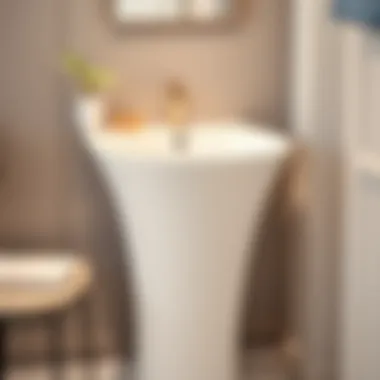

In bathrooms notorious for cramped quarters, slender designs can be a game changer. Slim pedestal sinks can fit snugly into tight spots, offering a functional solution without overwhelming the space. This efficiency doesn’t compromise usability; the basin provides ample area for daily grooming tasks, from brushing teeth to washing hands.
Moreover, the elevated design creates an illusion of additional space. Unlike bulky vanities, slim pedestal sinks have a lightweight appearance that can open up a room, making it feel more expansive.
Arranging your bathroom, whether it’s a powder room for guests or a cozy en suite, can often be a balancing act. The right pedestal sink can draw the eye upward and create vertical lines, enhancing perceptions of height and depth.
Aesthetic Appeal and Interior Coordination
A slim pedestal sink can serve as a focal point in a bathroom, enhancing the overall aesthetic. These sinks are often characterized by clean lines and simple forms, fitting seamlessly in various design styles—from modern minimalism to vintage charm. Their understated elegance can coordinate beautifully with striking tiles or bold colors, serving as a counterbalance.
When homeowners want to create a coherent look within their bathrooms, slim pedestal sinks can provide a unified theme. They can be paired easily with a range of fixtures, faucets, and accessories without clashing or creating visual noise. The options for color and finish—be it crisp white porcelain or matte black ceramic—allow for personalization while maintaining a sense of balance.
"The right sink can elevate your bathroom, merging design and practicality effortlessly."
Ease of Installation and Maintenance
Installing a slim pedestal sink can generally present fewer challenges compared to more complex vanity configurations. Their simpler design often leads to straightforward installation procedures, which is advantageous for DIY enthusiasts. Basic plumbing experience usually suffices for achieving a successful setup. If a professional is hired, the time involved can also be less than that of installing a traditional vanity.
Maintenance, too, is a breeze. With fewer crevices and surfaces compared to multi-piece vanity sinks, cleaning becomes less of a chore. Homeowners can use standard cleaning supplies without worrying about intricate details that might trap grime. Regular care helps maintain the sink’s appearance, keeping it looking crisp and fresh for years to come.
In summary, the slim pedestal sink offers remarkable advantages that make it an excellent choice for modern bathrooms. Their space-efficient design, aesthetic qualities, and ease of installation and maintenance layer functionality with style, proving beneficial for a variety of homeowners and designers alike.
Considerations When Choosing a Slim Pedestal Sink
When it comes to selecting a slim pedestal sink, a thoughtful approach can make all the difference. These sinks not only serve a functional purpose but also significantly impact your bathroom's aesthetic. Here’s a deeper look at the factors that are vital in making the right choice.
Understanding Bathroom Layout
First thing's first, knowing your bathroom's layout is key. How big is your space? Are you working with a compact nook or a spacious area? The size of your bathroom dictates the dimensions of the sink you can install; a sink that's too large can make a small room feel cramped, while a tiny sink might look lost in a large bathroom.
Consider the distance between the sink and other fixtures like the toilet or shower. It’s important to provide functional clearance, allowing for easy movement. Additionally, think about plumbing. Ensure that the location of existing plumbing lines works with the sink you intend to choose, as this can dramatically alter your installation process.
Material and Durability Factors
After you've laid the groundwork with layout considerations, it’s time to discuss materials. The right material contributes not just to the visual appeal but also to the longevity of your sink. Slim pedestal sinks are commonly made from vitreous china, a durable material that is resistant to scratches and stains. It’s also quite easy to clean, which can be a lifesaver in busy bathrooms.
However, there are also alternatives like glass, stone, or even concrete that offer unique aesthetics. Glass, for instance, might lend a contemporary vibe, but it requires careful cleaning and handling. Stone or concrete can give a rustic feel, but ensure that they are properly sealed to avoid water damage. Think about how much wear and tear your sink will face, especially in a family bathroom versus a guest bathroom.
Budgeting for Your Selection
Lastly, budgeting plays a crucial role in your decision-making process. Slim pedestal sinks can range widely in price, depending on brand, materials, and design. Determine your budget before walking into a showroom or browsing online. It helps to have a clear limit in mind, as it can prevent you from falling for that fancy designer sink that’s way out of your league.
Keep in mind that while it might be tempting to go for the lowest-priced option, sometimes you get what you pay for. Investing a bit more in a quality sink may save you money in the long run with better durability and fewer repairs. Don't forget to account for installation costs, as you'll likely need a plumber. In short, get a sense of your financial landscape and align your expectations accordingly.
"Choosing the right sink isn't about just going with what's trendy; it's about blending functionality with personal style."
Installation Insights
When it comes to slim pedestal sinks, understanding the installation process is as crucial as choosing the right design. A well-executed installation not only affects the sink's functionality but also its longevity and overall appearance. This section delves into vital factors that every homeowner should consider when installing these sinks. Proper installation can optimize your bathroom space, prevent costly repairs down the line, and ensure you achieve that sleek look you’re aiming for.
DIY Installation Process
Installing a slim pedestal sink might seem daunting at first. However, with the right tools and a little know-how, homeowners can tackle this task themselves. Here's a rundown of the steps involved in a typical DIY installation:
- Gather Your Tools: Before starting, make sure to have all necessary tools handy: adjustable wrench, plumber's putty, silicone caulk, a level, and a drill. Don't forget a bucket to catch any residual water from old plumbing!
- Shut Off Water Supply: First and foremost, turn off the water supply to the old sink. This step is often overlooked but is essential to avoid any mishaps.
- Remove the Old Sink: If replacing an existing fixture, carefully detach it from the wall and plumbing.
- Position the New Sink: Place the new slim pedestal sink in the desired spot while ensuring it's level. Use shims if necessary.
- Connect the Plumbing: Attach the drain and water supply lines. Make sure each connection is tight to avoid leaks later on.
- Seal the Edges: Apply silicone caulk around the sink's edges to prevent water from seeping behind it.
Following these steps gives one a solid shot at successfully installing a slim pedestal sink on their own. Just remember, measure twice, cut once! But for those who might feel a bit out of their depth, there’s always the option to call in a pro.
Hiring Professional Installers
While DIY might be appealing, sometimes it’s worth bringing a professional on board for the installation of a slim pedestal sink. Here are some reasons to consider professional help:
- Expertise: Professional installers have the experience and knowledge to handle potential complications that could arise during installation. Their familiarity with various plumbing systems means they can navigate hiccups with ease.
- Time-Saving: Even if you're handy, the installation process can be time-consuming. Hiring a pro allows you to focus on other home projects while they efficiently handle the job.
- Warranty Considerations: Many sink manufacturers specify that a sink must be installed by a licensed professional to maintain warranty coverage. Opting for a pro can provide peace of mind in case any issues arise later on.
- Aesthetics: Installers can ensure that your sink is aligned and fitted correctly, enhancing the overall look of your bathroom.


It's often said that “you get what you pay for,” and in this case, the investment in a professional can lead to a more polished finish.
Common Installation Challenges
Even the most straightforward installations can sometimes hit snags. Here are some common challenges that arise:
- Uneven Walls or Floors: A pedestal sink requires level surfaces. Old homes may have settling issues, posing challenges during installation.
- Plumbing Conflicts: Existing plumbing might not align perfectly with the new sink's requirements. This misalignment can necessitate additional modifications.
- Securing the Sink: Ensuring that the sink is fixed securely against the wall is vital for stability. Improper installation can lead to movement or, worse, accidents.
- Material Variability: Different materials have different weight limits and installation requirements. Taking this into account is crucial to ensure long-lasting function and support.
When embarking on this journey, it’s essential to remain calm and patient. Challenges can be solved with a clear mind.
Maintenance and Care
Maintaining a slim pedestal sink goes beyond mere aesthetics; it ensures longevity and functionality, making it a key component in any bathroom setup. Over time, even top-quality fixtures can face wear and tear, which impacts their appeal and efficiency. Residents and homeowners, particularly those in stylish yet compact spaces, must grasp the significance of upkeep. Regular maintenance not only enhances the sink’s beauty but also sustains its performance, ultimately saving on potential replacement costs.
Cleaning Recommendations
To achieve a sparkling clean surface, it’s essential to know the right products and techniques. Here are some practical pointers:
- Use mild cleaners: Everyday cleaners can be harsh, especially on delicate finishes. Gentle solutions like vinegar mixed with water, or a soft soap can work wonders without damaging the surface.
- Soft cloths are key: When scrubbing, use non-abrasive cloths or sponges. This prevents scratches and maintains the finish.
- Daily tidy-up: A quick wipe down after use helps in maintaining cleanliness and prevents soap scum accumulation.
Remember: A stitch in time saves nine. Regular cleaning can thwart the need for deeper, tougher scrubbing later on.
Preventative Maintenance Tips
Preventative care is the unsung hero in prolonging your sink's life. Follow these strategies to fend off potential problems:
- Seal any gaps: Check the edges of the sink where it contacts the wall or countertop. Use caulk to seal gaps to prevent moisture from seeping in, which can lead to mold or structural issues.
- Avoid heavy items: Slim pedestal sinks can tip or topple if subjected to excessive weight. Steer clear of placing potentially damaging items like heavy soap dispensers on the edge.
- Mind the plumbing: Regularly inspect the plumbing connections for leaks or corrosion. Early detection can save the costs of major repairs.
Identifying and Resolving Issues
If issues arise, being able to pinpoint problems quickly can make a world of difference. Here’s a simple guide:
- Look for discoloration: If you notice yellowing or faded spots, it might require a deep cleaning treatment.
- Listen for unusual sounds: Dripping or gurgling noises indicate plumbing issues. This needs immediate attention to avoid bigger headaches down the line.
- Check for leaks: Look underneath the sink to identify any signs of water accumulation. Catching leaks early prevents more serious damage.
Integrating Slim Pedestal Sinks into Various Styles
The integration of slim pedestal sinks into various styles is crucial in creating a cohesive bathroom design. These sinks not only serve a functional purpose but also contribute significantly to the aesthetic quality of a space. Homeowners, interior designers, and renovators alike should appreciate how these fixtures can effortlessly blend into different design schemes. The beauty of slim pedestal sinks lies in their versatility; they can enhance both the visual appeal and practicality of your bathroom, making it a delightful retreat.
Modern and Minimalist Spaces
In modern and minimalist environments, every element counts. These spaces thrive on simplicity and clean lines. A slim pedestal sink fits right in, emphasizing the uncluttered design philosophy. Imagine a sleek, white sink against a solid-colored wall with hidden storage solutions. This combination not only maximizes space but also keeps the area looking open and airy.
Key Features for Modern Spaces:
- Clean Lines: The streamlined shape adds to the minimalist aesthetic.
- Neutral Colors: Whites and grays create a calm atmosphere.
- Small Footprint: Ideal for tight quarters, ensuring that even small bathrooms don’t feel cramped.
When selecting finishes, consider matte or gloss options that align with the furniture and fixtures in the room. Comfort and functionality shouldn’t take a backseat in these modern designs; hence, ensuring the sink height and depth are comfortable for regular use is just as important.
Traditional and Vintage Influences
The charm of traditional and vintage-style bathrooms often stems from warm tones, ornate details, and classical elements. Here, slim pedestal sinks can be a bridge between elegance and practicality. Choosing a sink with subtle detailing or in a soft color can enhance the overall warmth of the room.
Important Considerations for Traditional Styles:
- Material: Look for ceramic or porcelain finishes that showcase classic aesthetics.
- Ornate Features: Decorative pedestal designs can add to the room’s character.
- Color Palette: Soft pastels or rich tones can complement wooden elements found in a traditional design.
In this context, integrating a slim pedestal sink doesn’t mean sacrificing style for practicality. Instead, it allows for an orchestration of both. Pairing the sink with vintage mirrors and fixtures can truly evoke a sense of nostalgia while still catering to modern needs.
Eclectic and Artistic Approaches
For those who are drawn to the eclectic and artistic, slim pedestal sinks offer a unique opportunity to express personal style. These spaces often feature a mix of colors, patterns, and textures. A sink in a bold hue or with an unconventional shape can serve as an eye-catching focal point.
Features to Explore:


- Color Variations: Bright and unexpected colors can create a striking impression.
- Unique Shapes: Explore sinks that break traditional molds in design.
- Artistic Accessories: Incorporate eclectic art pieces, textiles, or vibrant tiles around the sink to enhance character.
Using a slim pedestal sink in an artistic setting allows for an engaging dialogue between different elements within the room. The key is to curate the environment so that the sink complements the artistic vision, rather than competes with it.
Integrating slim pedestal sinks into various styles not only enhances aesthetics but also elevates the practicality of every bathroom layout. Embrace creativity when selecting colors and configurations, and you’ll find that the possibilities are limitless, regardless of the design approach.
The Environmental Impact of Sink Choices
In a world where sustainability has become a priority, the choice of bathroom fixtures can have rippling effects, not just in appearance, but in environmental ramifications. Selecting a slim pedestal sink can influence resource usage, material sourcing, and waste management, making it imperative to consider the ecological footprint of these beloved bathroom staples. Let's delve into some of these aspects.
Sustainable Materials and Manufacturing
When we talk about sustainable materials, it is crucial to recognize that not all sinks are created equal. Several brands have made a conscious effort to utilize materials that are both high-quality and environmentally friendly. Common materials for slim pedestal sinks include ceramic, stone, and even recycled materials. Each option has its own environmental impact.
- Ceramic and Porcelain: These materials are typically kiln-fired and durable but can require significant energy during production. However, they contribute to longevity, which can offset their initial footprint.
- Natural Stone: Sinks crafted from granite or marble carry a unique aesthetic appeal but often entail extracting resources that can disturb ecosystems. That said, they last a lifetime, reducing the need for replacement.
- Recycled Materials: Using recycled glass or plastic in sink manufacturing presents an opportunity to minimize waste and harness old materials for new purposes. This method plays a vital role in reducing landfill contributions and promotes circular economies.
By choosing sinks made from sustainable materials, homeowners can help conserve resources and reduce pollution throughout the product lifecycle. As the saying goes, little things can be a big deal; every decision counts.
Water Efficiency Standards
Water efficiency is more than just a buzzword; it's a necessity in today's water-scarce environment. Sink manufacturers are now focusing on creating products that comply with stringent water efficiency standards. Properties such as flow rate and water usage guides often determine a sink's efficiency. Municipalities are increasingly adopting these guidelines, leading to a push for low-flow models that can conserve water without sacrificing performance.
- WaterSense Certification: This program, led by the EPA, identifies products that use at least 20% less water than standard models. Opting for a WaterSense certified slim pedestal sink can nudge users toward mindful consumption without feeling like they're missing out on comfort or efficiency.
- Smart Technology: Innovation in sink design also extends to smart faucets. With touchless operation and automatic shut-off features, these faucets help reduce unnecessary water flow, further benefiting both the environment and the homeowner’s wallet.
"Choosing water-efficient fixtures doesn’t just save water—it can lead to long-term cost savings on utility bills."
In summary, understanding the environmental impact of sink choices leads to informed and responsible purchasing. Homeowners, designers, and renovators should always weigh the benefits of material selection and efficiency standards, ensuring that elegant design choices align with a sustainable mindset.
Future Directions in Sink Design
The world of interior design is constantly evolving, and as such, sink design is no exception. Understanding future directions in sink design is critical for homeowners, interior designers, and anyone involved in bathroom renovation. It shines a light on what to expect in terms of innovation and style while addressing practical concerns that are integral to modern living.
Innovative Technologies and Features
As technology continues to seep into every facet of our lives, it shapes the way we think about fixtures in our homes, especially sinks. Innovations in sink design have led to features that not only elevate functionality but also enhance user comfort. For instance, smart sinks equipped with sensors can adjust water temperature and flow based on usage, helping to conserve both water and energy.
Moreover, new materials are being developed that resist bacteria and stains more effectively than traditional porcelain or ceramic. Some sinks incorporate UV-C light technology to kill germs, promoting better hygiene in bathrooms where cleanliness is paramount.
Forecasting Market Trends
Trends in sink design are closely tied to broader shifts in consumer preferences and practical needs. Right now, simplicity combined with elegance is what many seek, which puts slim pedestal sinks in a great spot as they occupy minimal space while adding substantial aesthetic value.
As we look ahead, eco-friendly products are increasingly gaining traction among consumers. There is a clear movement towards sustainable materials and water-saving designs. Many manufacturers are expected to prioritize recycled materials or eco-friendly manufacturing processes in response to consumers who are more environmentally conscious than ever before.
Another trend on the horizon is customization. Homeowners are likely to seek out unique designs that reflect personal style rather than the cookie-cutter models of yore. Expect to see a rise in bespoke models that cater to individual tastes, possibly even allowing integration with existing decor.
"The future isn't just about trends; it’s about responsiveness to lifestyle and environment."
In summary, the future directions in sink design aren't just an evolution of style but also encompass important practical innovations that address environmental concerns and changing consumer desires. For those involved in bathroom renovations, keeping an eye on these trends can ensure that decisions made today will stand the test of time.
Epilogue and Final Thoughts
In the ever-evolving world of bathroom design, slim pedestal sinks have carved out a deserving niche that balances aesthetics and functionality. As we've explored throughout this article, these fixtures are not just about providing a place to wash up; they embody thoughtful design that enhances space without sacrificing style. Their suitability for various environments—be it a compact apartment or a more expansive home—makes them a versatile choice that appeals to many homeowners and designers alike.
Summary of Key Points
To encapsulate the main ideas presented:
- Space Efficiency: Slim pedestal sinks optimize bathroom layouts, making small spaces feel more open while offering essential functionality.
- Design Versatility: Available in a variety of shapes and finishes, they can easily fit modern, vintage, or eclectic designs, allowing for deep personalization in design choices.
- Installation and Maintenance: Their generally uncomplicated installation and low maintenance requirements make them appealing for both DIY enthusiasts and those who prefer hiring professionals.
"In a realm where home design converges with practicality, slim pedestal sinks stand out as a remarkable solution for maximizing both functionality and beauty."
Encouragement for Thoughtful Selection
Choosing the right sink isn't merely about the initial look; it's about making an investment in your home's overall vibe and functionality. Here are some considerations to keep in mind:
- Consider Your Space: Look closely at the layout of your bathroom. A slim pedestal sink may fit like a glove in a snug space, while a more expansive area could benefit from a pair of sinks for enhanced convenience.
- Material Matters: Think about the durability of the materials. Porcelain, vitreous china, and even some composites offer different advantages in longevity and maintenance.
- Budget Responsibly: Don’t forget the cost. While it's tempting to splurge on a standout piece, ensure that it aligns with your overall renovation budget.
By keeping these tips in mind, you can choose a slim pedestal sink that truly resonates with your style preferences and practical needs, making the most out of your investment in bathroom design.
As the bathroom continues to transform into a sanctuary for relaxation and refreshment, selecting the right sink becomes an essential part of creating that retreat. Investing time and thought into this decision can yield beautiful outcomes, leading to a space you’re proud of.