Console Lamps: Blending Functionality and Style
Intro
Console lamps serve a unique dual purpose within the realm of home decor, acting not merely as a source of light but as a statement piece that contributes significantly to the overall aesthetic of a space. These versatile lighting fixtures can add warmth to a cold corner or enhance the visual appeal of a carefully curated console. Amidst the hustle and bustle of modern life, homeowners and design enthusiasts alike are increasingly recognizing the value these elements can bring to their living spaces.
For many, the journey into the world of console lamps begins with the desire to elevate their home environment. The charm of console lamps lies in their ability to harmonize functionality with artistry, making them an attractive option for anyone looking to update their interior. With a plethora of styles, materials, and placements, this guide will help you navigate the multifaceted landscape of console lamps, providing insights that go beyond mere decoration.
Throughout this article, readers will find a blend of historical context and modern-day relevance regarding console lamps. We will examine various furniture styles and trends, alongside practical tips for selection and maintenance. The aim is to equip you, the reader, with the knowledge needed to make informed and stylish choices when incorporating console lamps into your home decor.
To embark on this enlightening journey, let’s first dive into the vibrant world of furniture styles and trends.
Understanding the Importance of Console Lamps
Console lamps serve as more than just sources of light; they embody a pivotal aspect of interior design, enhancing both functionality and aesthetics in living spaces. In this section, we dissect their significance, focusing on how these lighting fixtures contribute to atmosphere, style, and utility in homes. Console lamps can elevate an otherwise ordinary room, bridging the gap between practicality and artistic expression. Understanding their importance is essential for homeowners and designers alike, enabling informed decisions that resonate with personal tastes and environmental needs.
Definition and Purpose
Console lamps, in essence, are versatile lighting fixtures typically positioned atop console tables, sideboards, or similar surfaces. They often flaunt a design that blends with other furniture or becomes a focal point in the room. The primary purpose of these lamps is to provide light that is not only functional but also enhances the visual appeal of the space.
These lamps often define the mood of a room. For instance, a sleek, modern console lamp may lend a contemporary air to a minimalist haven, while a vintage option can imbue the place with character and history.
Here are a few key purposes:
- Task Lighting: Effective for reading, working, or other focused activities.
- Ambient Lighting: Provides overall illumination that complements natural light.
- Decorative Value: A statement piece that showcases personal style and design preferences.
The Role of Lighting in Interior Spaces
Lighting plays an indispensable role in shaping the ambiance and functionality of interior spaces. It can dramatically alter perceptions of space, depth, and color. Console lamps contribute unique attributes to this multifaceted composition, and their placement can create different effects, making them invaluable to homeowners and interior designers.
Here are some considerations on how lighting impacts spaces:
- Layering Light: Combining various light sources (ambient, task, and accent) creates a dynamic environment.
- Highlighting Features: They can accentuate artwork, architectural details, or furniture.
- Creating Zones: In larger areas, strategic lamp placement can define distinct areas, facilitating comfortable transitions and interactions.
"Lighting is the soul of interior design; it sculpts a space, revealing its true potential."
In summary, console lamps not only fulfill a basic need for illumination but also enhance the design narrative of a home. Their multifunctionality and aesthetic contribution make them an essential consideration when curating a well-balanced indoor environment.
A Historical Perspective on Console Lamps
Understanding the history of console lamps not only enhances our appreciation of these lighting fixtures but also sheds light on their evolving role in home decor. The journey of console lamps is emblematic of broader trends in design, technology, and culture. Delving into their historical context helps us appreciate how they have transformed from purely functional objects into critical elements of aesthetic appeal in interior spaces. This section will explore their design evolution and the cultural influences that have shaped their forms and functions.
Evolution of Design
Console lamps have a rich lineage that spans centuries, showcasing a remarkable evolution in design philosophies and materials. Initially, these lamps served primarily as practical lighting sources. In the earliest days, they were often crafted from materials easily accessible, such as wood or metal, and designed to fit the functional needs of their time. For instance, in the 18th century, console lamps primarily functioned alongside candles, providing the necessary light while being sturdy enough to withstand the rigors of domestic life.
As technology advanced, so did the design and materials of console lamps. The introduction of electric lighting in the late 19th century marked a turning point. Lamps transformed from utilitarian pieces into decorative objects, integrating artistry into their structure. The Art Deco movement of the 1920s, for example, influenced console lamps significantly, leading to designs that celebrated geometric shapes and luxurious materials. This shift reflected a broader cultural embrace of modernism, which valued both functionality and aesthetics.
Today, console lamps come in an array of designs, from streamlined minimalist forms to intricate vintage styles. This variety allows individuals to select pieces that reflect their personal taste and complement their existing decor. With innovations in LED technology, we are also witnessing a revival of retro styles updated for efficiency and longevity, pointing to a future where function and form harmoniously coexist.
Cultural Variations and Influences
The design of console lamps doesn’t exist in a vacuum. Their development is intricately tied to the cultural contexts from which they emerge. Historically, different regions have contributed unique perspectives that shape lamp design.
For instance, Scandinavian design principles emphasize simplicity and natural materials, leading to console lamps characterized by clean lines and understated elegance. This contrasts sharply with the ornately detailed craftsmanship seen in Mediterranean-inspired lamps, where intricate tilework and vibrant colors create a warm and inviting ambiance.
Additionally, the rise of globalization has influenced console lamp designs exponentially. Today, it’s common to find lamps that blend cultural motifs, merging traditional techniques with modern aesthetics. The interplay of Eastern and Western design elements can be seen in many contemporary pieces, which incorporate exotic woods paired with sleek metal finishes, creating a unique dialogue between past and present.
"The aesthetics of console lamps provide insight into the societal values of their times, reflecting broader themes of innovation, craftsmanship, and cultural exchange."
Styles of Console Lamps
When it comes to console lamps, the variety of styles available can be a game changer for home decor. Each style not only serves a distinct aesthetic but also brings its own flair and atmosphere into a space. Understanding these styles can help homeowners and decorators alike to make informed choices that fit both their functional needs and personal taste.
Modern and Minimalist
In recent years, the modern and minimalist design has gained considerable traction. Characterized by clean lines and sleek silhouettes, these lamps often prioritize simplicity over ornate details. A modern console lamp can serve as a functional piece while still blending seamlessly with the surrounding decor.
Many of these lamps utilize materials like metal and glass, which can create a fresh, airy feel in a room. Consider a geometric lamp in a matte black finish; its understated elegance can complement a variety of interior settings without overwhelming them. It's a style that speaks to those who appreciate subtlety, allowing the light to do the talking.
Traditional and Classic

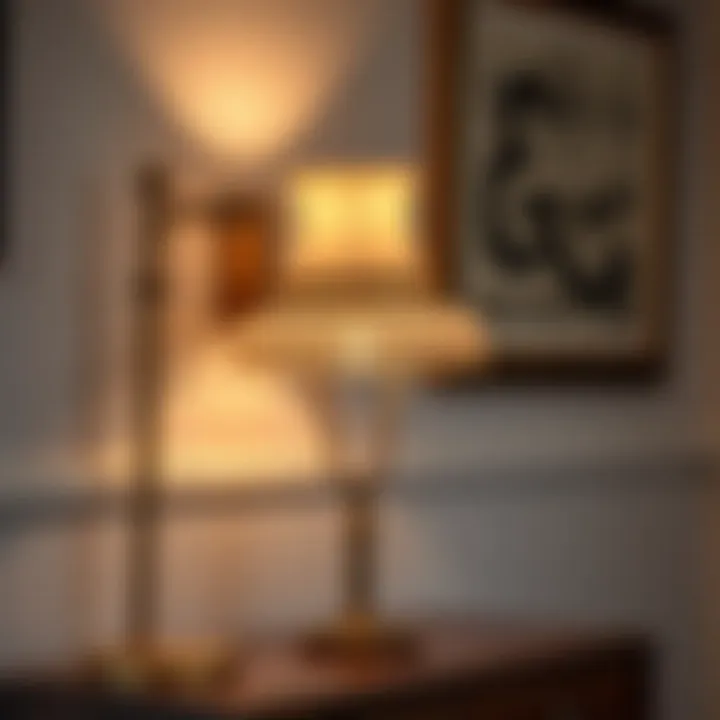
On the other hand, traditional and classic console lamp styles exude warmth and familiarity. They often feature intricate designs, rich materials like brass and wood, and shades that soften the light. This style is about making a statement while embracing the comfort of nostalgia. A classic lamp might sport a fabric shade with floral patterns, adding a touch of elegance to any console table.
The charm of traditional lamps lies in their craftsmanship. You might find lamps featuring carved details or even gilded accents that bring a sense of history to a space. A statement piece that is both functional and enhances the overall character of the home is hard to pass up.
Industrial and Rustic
For homeowners leaning towards a more rugged aesthetic, industrial and rustic styles can be quite appealing. These lamps usually incorporate raw materials like iron or reclaimed wood, creating a rugged, utilitarian vibe. An industrial console lamp might sport exposed bulbs and plumbing pipe designs that harken back to a warehouse aesthetic.
Similarly, rustic designs typically evoke a sense of nature, with wood finishes or woven textures. Picture a lamp made from reclaimed barn wood—its imperfections adding to its character. This style connects the decor back to earthy tones and natural elements, making it a fantastic choice for a cozy, welcoming feel.
Luxurious and Ornate
For those who wish to make a bold impression, luxurious and ornate console lamps are the way to go. These pieces often feature lavish details, combining fine materials like crystal, intricate metal work, and opulent finishes. A lamp featuring a crystal base can truly act as a focal point in any room, casting dreamy light patterns that dance on the walls.
Such extravagant designs bring a sense of glamour and sophisticated charm. However, it’s essential to ensure that these lamps harmonize with the overall decor. An ornate lamp can easily elevate a space when placed intentionally, enhancing the elegance without taking over.
These four styles represent just a few paths one can take when selecting console lamps. Each has its unique qualities and applications, making it crucial to assess which aligns best with the broader design vision of your space.
Materials Used in Console Lamps
When it comes to console lamps, the materials used can be the defining factor in their aesthetic appeal and functionality. Every material contributes uniquely to a lamp's style, durability, and the ambiance it creates in a space. Choosing the right material is not just about looks; it impacts the overall vibe of your home. The right material complements your existing decor and meets your practical needs. Let’s delve into the distinct materials that commonly adorn these lighting fixtures, exploring their characteristics and benefits.
Metal: Durability and Style
Metal is a popular choice in console lamp design for its timeless elegance and resilient nature. Options like stainless steel, brass, and wrought iron bring a robust essence. These materials hold up well over time, standing the test of wear and tear. For instance, brass fixtures tend to acquire a lovely patina with age, giving them character that speaks to history.
Not only are metal lamps sturdy, but they can also fit into various design motifs, from industrial to mid-century modern. When you place a metal console lamp in your living room, it can serve as both a functional item and a striking conversation starter.
Some considerations when opting for metal include ensuring proper finishing to avoid rust or corrosion, especially in humid areas. Moreover, think about weight; heavier bases may offer stability, while lighter ones could present a tipping hazard depending on the lamp's design.
Glass: Elegance and Versatility
Glass is another material that breathes sophistication into console lamps. Whether frosted, clear, or colored, glass offers versatility that allows it to blend seamlessly into any decor style. A glass lamp can enhance both natural and artificial lighting, as it reflects and diffuses light beautifully.
Take, for instance, a wall of windows: a glass console lamp placed nearby can amplify the natural light filtering through, making your space feel airy and open. Furthermore, glass can be combined with various bases—metal or wood—to create unique focal points.
However, it’s essential to keep in mind that while glass lamps can be stunning, they may require more careful handling and cleaning. A regular dusting routine should do the trick, but avoid abrasive materials that can scratch the surface.
Wood: Warmth and Texture
Wooden console lamps add a warm touch and bring nature indoors. The grain patterns and textures provide an organic feel that can soften a room’s look. From rustic to sleek Scandinavian designs, wood offers a vast range of aesthetics. Picture a rustic cabin; a log-based lamp could enhance that cozy atmosphere.
Moreover, wooden materials come in numerous species, which can dramatically affect the overall tone of a space. Light woods, such as pine, can brighten a room, while darker woods, like mahogany, lend a sense of depth and richness.
A vital consideration with wood, however, is maintenance. Depending on the finish, wooden lamps may require occasional polishing or treatment to maintain their luster and durability.
Fabric: Softness and Design
Fabric adds a soft element to console lamps that metals and woods can't replicate. Typically seen in lamp shades, fabrics like linen, cotton, or silk can introduce color, pattern, and texture. A fabric shade can filter light, creating a soft glow that transforms an ordinary room into an inviting haven.
For example, a bright and vibrant fabric can energize a living area, while muted tones can help foster a calming atmosphere in bedrooms or reading nooks. Choosing the right fabric also allows for personal expression, as various prints or weaves can suit your style.
However, keep in mind fabric tends to attract dust and may need to be cleaned more often than hard materials. Regular vacuuming or gentle spot cleaning helps keep it looking fresh.
In essence, the materials used in console lamps are vital to their performance and aesthetic impact. Each choice tells a story, inviting you to personalize your space.
Choosing the right material goes beyond just the visual; it influences how the lamp fits within the broader context of your interior design. The balance of functionality, durability, and elegance is crucial in ensuring that your console lamp complements and elevates your overall decor.
Choosing the Right Console Lamp for Your Space
Choosing the right console lamp for your space is not just about illumination; it’s about creating an atmosphere that resonates with your home’s character. A well-chosen lamp can illuminate not only an area but also enhance the entire room’s design. Whether you’re looking to create a cozy nook or an elegant entryway, understanding the nuances of console lamps can dramatically affect the outcome of your interior decor efforts.
Assessing Your Lighting Needs
Before you even think about the style of lamp or where to place it, assessing your lighting needs is paramount. Are you seeking soft, ambient light to wind down after a long day, or do you require bright, focused light for tasks like reading or working on a project?
To pinpoint your needs:
- Consider the purpose of the space: A living room might benefit from warm, diffused light, whereas a desk area may require something more direct.
- Evaluate existing lighting: Look at what other light sources are present. If you have overhead lighting, a console lamp can serve as a complementary fixture.
- Think about the time of day: Natural light varies throughout the day; your lamp should adapt accordingly to maintain a consistent atmosphere.


"Lighting is the poetry of the home." Understanding your lighting needs is the first step in achieving an inviting space.
Matching Style with Decor
Once your lighting needs are clear, it’s time to match the console lamp's style with your decor. The design of the lamp should harmonize with the existing elements of the room. This doesn’t mean everything has to match perfectly; rather, they should complement each other.
Here are a few tips to achieve this:
- Color Palette: Consider the dominant colors in the room. A lamp with a unique color might serve as a focal point, drawing the eye without clashing with other elements.
- Material Coordination: If your living room features vintage wood furniture, a lamp with wooden accents or a natural finish can tie things together beautifully.
- Design Theme: Whether your decor leans towards modern, rustic, or eclectic styles, choose a lamp that aligns with this theme. An industrial-style lamp might look out of place in a traditional setting, just as a delicate porcelain lamp would seem odd in a minimalist environment.
Considerations for Size and Scale
Choosing the right console lamp involves careful consideration of size and scale. A small lamp on a large console table can feel lost, while an oversized lamp might dominate a petite space. Getting this balance right is essential for both functionality and aesthetics.
- Height Matters: The height of the lamp should be proportionate to surrounding furniture. A standard lamp height of 58 to 64 inches usually works well in most settings. However, if placed on a tall console, consider extending the height.
- Width and Footprint: Ensure the lamp doesn’t take up too much surface area of the table. Leave enough room for decorative items, or other essentials you might want to place alongside.
- Visual Weight: If everything in the room is visually light, you might want a lamp that has a solid, heavy appearance. Conversely, choose a delicately designed lamp if the rest of your furnishings are more substantial.
By taking these considerations into account, you'll find that choosing a console lamp can be a rewarding task that augments your overall design vision.
Placement Strategies for Console Lamps
Proper placement of console lamps is integral to enhancing a room's aesthetic and functionality. These lamps are not merely decorative; they play a crucial role in illuminating spaces, creating atmosphere, and providing focal points in various locations. The strategic use of console lamps opens doors to versatility in room design, elevating both aesthetics and utility.
On Console Tables
Console tables are frequently the preferred choice for placing console lamps. These tables serve as the perfect platform to showcase artistic lighting. When a lamp is perched atop a console table, it draws the eye, serving both form and function. The light emitted from these lamps can create a warm ambiance, beneficial for activities like reading or entertaining guests.
To maximize the impact, consider the height of the lamp in relation to the table and nearby seating. A table lamp tends to be most effective when its shade aligns with the eye level of someone seated near it. Additionally, layering the lamp with decor—such as books, vases, or picture frames—can add depth and visual piquancy.
The right placement can transform an ordinary console table into a captivating focal point.
As Accent Lighting
Console lamps are excellent for accent lighting. This type of lighting highlights specific areas or features within a room, thus enhancing the overall design. When positioned thoughtfully, console lamps can direct attention to artwork, plants, or unique architectural elements that might otherwise go unnoticed.
For instance, a lamp placed next to an intricately framed painting bathes it in soft light, enriching colors and details. In contrast, when used in a dark corner, a lamp can infuse life into a previously neglected area, breaking the monotony and providing a welcoming glow that invites exploration.
Considerations must be made regarding the wattage and shade type of the lamp. A warm-toned bulb can create a cozy environment, while a cooler tone might lend a more modern vibe, depending on the effect you wish to achieve.
In Entryways and Hallways
The entryway and hallway are often the unsung heroes of home decor. Installing console lamps in these areas can elevate their functionality immensely. A lamp in the entryway makes a strong first impression, offering warmth and light as soon as one steps through the door. It also serves as a practical component, providing visibility for keys or a quick glance at important items.
Moreover, in long hallways, the use of console lamps can break up the space effectively. Placing lamps at intervals along a hallway introduces both light and interest, making the passage feel less daunting and more inviting. Wall colors and surrounding art can influence how these lamps impact the overall impression, so always think about harmony between elements.
Maintenance of Console Lamps
Maintaining console lamps is an often-overlooked aspect of home decor that can significantly impact both the aesthetics and functionality of these lighting fixtures. Proper upkeep not only enhances their appearance but also ensures they perform effectively for years to come. Regular maintenance helps to minimize wear and tear, prolongs the life of the bulbs and fixtures, and ultimately contributes to a safer living environment. It's a small investment of time that pays dividends in terms of both style and practicality.
Cleaning Techniques for Various Materials
Cleaning techniques for console lamps vary significantly based on the materials used. Here are some dedicated approaches for common materials:
- Metal: For lamps made of brass, stainless steel, or aluminum, a soft damp cloth with a mild detergent often does the trick. It's crucial to avoid abrasive cleaners, as they can mar the surface. For brass lamps, a specialized brass polish can restore shine, while stainless steel may require a specific cleaner to maintain its luster.
- Glass: When dealing with glass, a mixture of warm water and vinegar offers a streak-free shine. Soft microfiber cloths are your best friend here—just be gentle, as glass can scratch rather easily. For lamps with intricate designs or textures that collect dust, an old toothbrush can reach those hard-to-get places.
- Wood: Wooden lamps require careful handling. A simple dusting with a soft, dry cloth may suffice. For deeper cleaning, use a wood-safe cleaner to avoid damaging the finish. Keeping them away from direct sunlight can help prevent fading and warping over time.
- Fabric: Fabrics should not be neglected. Regularly vacuuming lampshades using a soft brush attachment can keep dust at bay. For spots or stains on fabric shades, a damp cloth and a gentle fabric cleaner are effective; just test on a small area first to ensure it doesn't affect the color.
The importance of maintaining your lamps cannot be overstated. Not only does it prolong the life and brilliance of your decor, but it also ensures that every corner of your home remains inviting.
Replacing Bulbs and Fixtures
Understanding when and how to replace bulbs and fixtures is a fundamental aspect of lamp maintenance. Often, bulbs burn out, and although it's a nuisance, knowing how to switch them out correctly can save you time and energy.
- Choosing the Right Bulb: First, determine the type of bulb required for your lamp, which might be LED, incandescent, or CFL. Each has distinct energy efficiencies and longevity.
- Safety First: Always make sure the lamp is unplugged or switched off before working on it. If a bulb is stuck, using a rubber glove for a better grip can come in handy.
- Troubleshooting: If you find bulbs frequently burning out, it may indicate a more significant electrical issue or incompatible wattage.
- Fixing Fixtures: If the fixture itself is faulty or worn out, consider replacing it. Fixtures can sometimes be disassembled, allowing you to examine and troubleshoot parts like sockets and wiring.
By keeping these elements in mind, you not only ensure that your console lamps operate smoothly but also maintain their beauty and integrity within your home decor.
Trends in Console Lamp Design
The world of interior design is ever-evolving, and console lamps are no exception. As they nestle into various spaces of homes, their design trends are constantly changing to meet the demands of modern aesthetics and functionality. Focusing on trends in console lamp design not only enriches decor but also reflects the values and preferences of today’s homeowners. With sustainability at the forefront and technology playing an increasing role, understanding these trends is essential for making informed choices.
Sustainable Design Choices


In an age where eco-consciousness shapes consumer behavior, sustainable design choices in console lamps are gaining traction. Many manufacturers are now using recycled materials and sustainable sourcing practices. This is not just about saving the environment, it's about creating a narrative around the product that resonates with individuals who care about their ecological footprint.
For example, lamps made of reclaimed wood or recycled glass not only add character but also tell a story of resourcefulness. Homeowners are becoming more inclined to choose products that align with their values, and thus, sustainable console lamps are not simply a trend; they're becoming a necessity.
Another critical factor in sustainable design is energy efficiency. LED lights have transformed the lighting landscape, allowing for longer-lasting solutions that reduce energy consumption. When selecting console lamps, it’s worthwhile to look for designs that incorporate LED options. This not only saves money on energy bills but also reduces the frequency of bulb replacements, contributing further to sustainability.
- Key Elements of Sustainable Console Lamp Design:
- Use of recycled materials (like glass and metal)
- Incorporation of energy-efficient LED technology
- Designs that support local artisans or fair-trade practices
For homeowners, choosing sustainable options doesn’t have to compromise on style. There is a diverse range of beautiful designs and finishes available, ensuring aesthetics are not sacrificed. Ultimately, sustainable design choices in console lamps reflect a broader commitment to conscious living.
Smart Lighting Integration
As technology integrates more with our day-to-day lives, smart lighting is making waves in the interior design world. Console lamps are now stepping into the spotlight, advancing with the use of smart technology, allowing homeowners to control lighting through mobile devices or smart home systems. This leap towards digitalization offers numerous benefits, from convenience to enhanced functionality.
Smart console lamps can be programmed to adjust brightness according to the time of day, thereby providing tailored lighting experiences. Imagine inviting friends for dinner, and with a swipe, you shift the ambiance from bright and cheerful to warm and cozy with nuanced light adjustments. This flexibility is becoming a sought-after feature in modern homes.
Moreover, many smart console lamps offer color-changing features, letting users customize their lighting to match moods or occasions. This creative control adds an entirely new layer to home decor, making it dynamic and personal.
Smart lighting integration provides a unique opportunity for homeowners to blend functionality with aesthetic appeal, enhancing the overall living experience.
Furthermore, from an energy saving perspective, smart lamps enable homeowners to schedule lighting on and off, potentially reducing their electricity bills without much thought. Integration with home assistants like Google Assistant or Amazon Alexa allows quick voice commands for immediate control.
- Benefits of Smart Lighting in Console Lamps:
- Remote control via smartphone apps
- Programmable schedules for automatic adjustments
- Enhanced ambiance and decor possibilities through color changes
The Functional Versatility of Console Lamps
Console lamps are more than mere decorative pieces; they embody functionality that adapts to a variety of needs and settings. Their inherent versatility has made them essential components in modern home decor, serving both aesthetic and practical purposes that cater to various lifestyles. In this section, we will explore the multifaceted uses of console lamps, emphasizing how they complement different activities and environments.
Lighting for Different Activities
Console lamps often serve as the unsung heroes in lit spaces, offering focused illumination for a range of activities. Whether you’re diving into a gripping novel, need a spotlight for your intricate arts and crafts, or hosting a cozy gathering, the console lamp’s light plays a crucial role.
- Reading: The soft, directed light of a console lamp is ideal for reading nooks. It prevents eye strain, making it easier to dive into the pages of your favorite book.
- Workspaces: In a home office, console lamps can illuminate desks effectively. Their ability to provide bright, task-oriented lighting helps maintain focus during long hours of computation or writing.
- Dining Atmosphere: For those who enjoy hosting, console lamps can also double as accent lighting during evening meals. Placed strategically, they enhance the ambiance, creating warmth that invites conversation.
In essence, console lamps adapt seamlessly to the activity at hand, influencing mood and productivity while also offering their unique design elements.
Adaptive Use in Various Environments
Console lamps shine not only in distinct usages but also in their ability to adjust to different environments. They can fit in both modern lofts and traditional homes, bridging design aesthetics and utility.
- Living Rooms: In an open-concept living space, these lamps can serve dual purposes—acting as lighting while also enhancing the decor. They can delineate spaces within larger areas, adding character without overwhelming the layout.
- Entryways: Console lamps are perfect for entryway tables, offering initial illumination and a welcoming atmosphere. This is particularly useful in dimly lit hallways or narrow entries, guiding residents and guests alike.
- Bathrooms: The unexpected use of console lamps in bathrooms can transform these spaces. A carefully chosen console lamp can provide warm lighting necessary for relaxation or a vibrant look, setting the tone for an at-home spa feel.
In various settings, console lamps adapt and thrive, accentuating the decor while meeting practical light needs. Their versatility ensures they remain relevant as tastes and functions evolve, keeping the heart of the home well-lit and engaging.
"Lighting has a powerful impact on the way we feel and interact in our spaces. Console lamps not only fulfill lighting needs but enhance our overall experience at home."
As we delve deeper into their significance, keep in mind the everyday functionality of console lamps along with their aesthetic appeal—they're truly a delightful fusion of form and purpose.
The Future of Console Lamps
The future of console lamps looks both promising and exciting, as these fixtures continue to evolve in response to changing design trends and technological advancements. Their importance in this article stems from understanding how they can adapt to modern needs while still serving their primary functions in home decor. With each passing year, what once seemed like a simple lighting solution now incorporates high-level designs and cutting-edge features, paving the way for greater versatility and efficiency in home environments.
Innovations in Design and Technology
In recent times, console lamps have redefined themselves through innovative designs and technological integration. One significant trend is the incorporation of smart technology. Smart console lamps can connect to mobile devices via apps, allowing users to control brightness, warmth, and even color from their smartphones or tablets. This adaptability is particularly appealing for those who want a customizable lighting experience and can cater to differing needs throughout the day.
Moreover, innovative materials are being utilized in the making of console lamps. For instance, 3D printing technology allows designers to explore unique shapes and styles that traditional manufacturing methods could not achieve. Such developments ensure that console lamps are not only functional but also serve as artistic statements, seamlessly blending aesthetics with usability.
Another trend worth mentioning is energy efficiency. Modern console lamps frequently use LED bulbs that consume less electricity while emitting similar brightness levels compared to traditional incandescent bulbs. This shift not only lowers energy bills but also lessens environmental impact, as household energy consumption continues to be a pressing global concern.
Predictions for Market Trends
As we look ahead, several market trends seem likely to shape the future of console lamps. First and foremost is the ongoing rise of eco-friendly products. Consumers today prefer lighting options that do not compromise environmental sustainability. Brands that prioritize recycled materials and sustainable production methods are likely to gain preferential treatment among environmentally conscious buyers.
Furthermore, personalization will play a crucial role in the future of console lamp designs. As people increasingly seek to express their personalities through their home decor, manufacturers that offer customizable options—be it through various color choices, sizes, or unique designs—are expected to thrive. Consumers will not just settle for a lamp; they will demand a piece that resonates with their style and sensibilities.
Lastly, collaboration between designers and technology innovators will produce more interconnected and multifunctional elements within home spaces. Console lamps may incorporate built-in speakers, wireless charging stations, or USB ports, blurring the lines between furniture, lighting, and technology. This integration speaks to a broader transitional phase in home design where everything works in concert.
"As the nature of living spaces continues to evolve, console lamps are well-positioned to enhance both functionality and aesthetics, adapting to modern lifestyles like never before."
In summary, the future of console lamps is not just a sunset over traditional lighting; it is a dawn filled with creativity and sustainability. It’s crucial for homeowners, interior designers, and other stakeholders in the decor industry to stay ahead of these trends. By doing so, they can not only prepare for what’s coming but also influence and inspire the direction of home lighting solutions to come.