A Comprehensive Guide to Colorful Animal Canvas Art
Intro
The world of animal canvas art offers more than just a feast for the eyes; it’s a vibrant avenue through which we express our love for nature and its creatures. These colorful canvases can transform the look of a home, adding not only visual interest but also depth and personality to any space. By exploring the nuances of this form of art, we can better appreciate its impact on interior design.
In this guide, we will delve into the styles, techniques, and themes prevalent in colorful animal canvas art. From wild and free to serene and sophisticated, we will discuss how these artworks can resonate with different aesthetics. The significance of color in art and its subsequent effect on moods and atmosphere will be examined, offering insights that can enhance your living environment. Through careful selection and arrangement of these pieces, homeowners can create harmonious spaces that reflect their personal style and values.
Prelude to Colorful Animal Canvas Art
Art serves as a window into the human experience, where creativity dances with culture, emotion, and innovation. Among the vast landscape of artistic representation, colorful animal canvas art emerges as a popular choice, bridging the gap between nature and design in our living spaces. This genre not only captivates the eye but also enriches the soul by inviting a piece of the wild into the home.
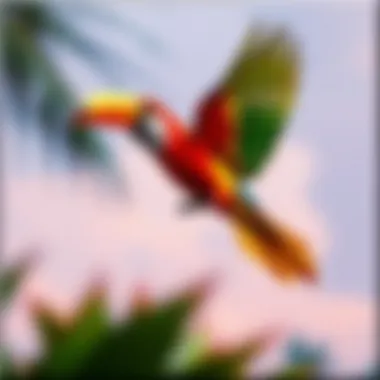
When exploring colorful animal canvas art, there are several key elements to consider. Firstly, there's the inspired energy animals bring with their vibrant colors and striking forms. Whether it's an explosion of hues in a tropical parrot painting or the serene browns and greens of a forest scene, these artworks add depth and vibrancy to any environment. Additionally, they often spark conversations among guests, making the artwork a crucial centerpiece in social spaces.
Moreover, choosing the right animal art can significantly reflect one's personality. For instance, vibrant representations might suggest a lively, adventurous spirit, while softer, muted tones evoke a sense of calm and tranquility. The choice of artwork can reveal layers of identity tailored to personal or family values, creating a tailored home narrative.
Additionally, colorful animal canvas art caters to a wide range of design preferences. From abstract forms that stimulate the imagination to realistic portrayals that resonate with nostalgia, there’s a style to suit every taste. This adaptability makes animal canvas art an increasingly favored selection for homeowners, interior decorators, and even realtors looking to elevate spaces.
Lastly, the accessibility of colorful animal canvas art is noteworthy. With a plethora of online platforms and local galleries offering diverse options, it’s never been easier to find that perfect piece that complements the decor or brings a pop of color to a neutral room.
In this article, we'll take a deeper journey into various aspects of colorful animal canvas art, from its historical context and the psychology of color to practical tips for selecting the perfect piece for your home. Art is not merely a decoration; it’s a statement, a sentiment, and a shared experience that can turn a house into a home.
Historical Context of Animal Art in Decor
Art featuring animals has been a critical part of human history, deeply woven into the societal tapestry of every culture. The historical context of animal art in decor not only reflects the aesthetic preferences of the time but also uncovers the deeper relationships between humans and animals, signifying their roles, symbolism, and representation through various artistic interpretations. Understanding this context provides valuable insights into why colorful animal canvas art resonates so profoundly with us today.
The significance of this topic lies in the recognition of how animal imagery transitioned from ancient times to contemporary artworks. It draws connections between past and present, allowing homeowners and decorators alike to appreciate the layers of meaning that can be imbued in these vibrant pieces. When curating a space filled with character and depth, knowing the historical journey of animal art shapes our selection and arrangement decisions, enriching our environment.
Evolution of Animal Imagery
Animal imagery has come a long way since its inception. In ancient civilizations, animals were often depicted in cave paintings, serving not just an aesthetic purpose but also a functional one—essentially narrating stories of hunts and encounters. As we traversed through time, cultures like the Egyptians integrated animals into their religious iconography, elevating them to symbols of divine power and protection.
From the intricate mosaics of Greco-Roman times to the prowess of Renaissance painters capturing the nobility of wildlife, the portrayal of animals has morphed to reflect prevailing societal values and artistic movements. Today, artists have embraced diverse styles, leveraging bright colors and stylized forms that imbue traditional themes with fresh perspectives. This evolution speaks to our ongoing fascination with wildlife, nature, and the emotional connections we forge with these subjects.
Cultural Significance Across Eras
Throughout history, the depiction of animals goes beyond mere representation; it embodies the cultural zeitgeist of the era. For instance, in the Middle Ages, animal motifs in art played an important role in fables and moral tales, educating viewers on virtues and vices. They served to comment on human behavior by embedding animals in narratives that resonated with audiences.
In contrast, modern interpretations of animal art often focus on the aesthetic allure and emotional connection. With afterimages of impressionism and the robust color palette of expressionism, artists like Henri Rousseau introduced jungle scenes filled with exotic creatures, appealing to the public's lost sense of adventure as they romanticized nature, thus fueling the rise of colorful animal canvas art in contemporary settings.
Ultimately, comprehending the evolution of animal art and its cultural implications allows us to appreciate and select pieces that not only enhance our living spaces but also echo the narratives that build our historical consciousness. From telling tales of valor in ancient societies to stimulating conversations around conservation today, colorful animal canvas art serves as a bridge between the past and future.
Understanding Color Theory in Art
Color theory may sound like an artist's jargon, but it plays a crucial role in the world of art, especially when dealing with vibrant animal canvas art. This knowledge helps in making strategic choices that can transform a simple wall into a lively focal point. Understanding how colors interact, evoke emotions, and influence perceptions is essential for anyone looking to enhance their space with animal imagery.
When selecting canvas art, consider how colors influence the overall perception of your room. For instance, different shades of blue can bring about tranquility, making them perfect for bedrooms, while bright yellows instill energy, ideal for lively areas like playrooms or kitchens. This understanding offers a gateway to not just choosing art but crafting an ambience that resonates with your personal style and emotional needs.
Psychology of Colors
The psychology behind colors can significantly impact how viewers perceive artwork. Each color elicits different feelings and responses. Here's a quick rundown:
- Red: Represents passion and excitement but can create feelings of aggression if overused.
- Blue: Often associated with calmness and stability. It’s great for creating a serene atmosphere.
- Green: Symbolizes nature and renewal. It’s refreshing and versatile in spaces aimed at relaxation.
- Yellow: Reminiscent of sunshine, it radiates optimism and energy.
- Purple: Connects with luxury and creativity. It’s bold yet sophisticated.
Understanding how these colors play on the emotions of those who view them can guide art selection, ensuring that the chosen pieces not only complement the decor but also influence the mood and energy of the room positively.
Color Combinations and Their Effects
Color combinations can be the difference between a cohesive design and a chaotic one. Knowing which colors work well together is paramount for achieving harmony in your space. Here are a few effective combinations to consider:
- Complementary Colors: Colors opposite each other on the color wheel, like blue and orange, create striking contrasts that catch the eye. Use them to highlight key features in your room.
- Analogous Colors: These are colors next to each other on the wheel, such as green, teal, and blue. They create a serene, harmonious look that can envelop a space in soothing vibes.
- Triadic Colors: This involves three colors that are evenly spaced on the color wheel, such as red, yellow, and blue. It’s a dynamic option that can add vibrancy without overwhelm.
Using these principles in your art selection ensures that your colorful animal canvas art not only stands out but also fits seamlessly into your home’s design.
"Colors are the smiles of nature." – Pierre-Auguste Renoir
Different Styles of Animal Canvas Art
When it comes to animal canvas art, the diversity of styles available creates a vibrant and dynamic landscape for home decor. Each style carries its own unique elements and resonates differently with viewers, adding personality and flair to living spaces. Choosing the right style can elevate an overall interior design, making this topic crucial for anyone looking to enhance their decor. Understanding the different styles not only informs purchasing decisions but also aids in creating a cohesive yet exciting environment.
Abstract Representations
Abstract representations of animal art delve into the realm of imagination, breaking free from the confines of strict realism. This style often employs bold colors, exaggerated shapes, and unconventional methods to portray animals. The appeal here lies in the emotional response it evokes rather than realistic depiction.
Using abstract animal art can transform a mundane space into a canvas of creativity. These pieces often serve as conversations starters, encouraging viewers to interpret and engage with the artwork in a personal way. For instance, a swirl of colors might represent a lion's fierce spirit, while splashes of blue and yellow might depict a playful dolphin.
One can consider the following factors when opting for abstract art:
- Placement: Such pieces tend to shine in open spaces where they can be appreciated from a distance.
- Color Coordination: Abstract animal art can be a fantastic way to introduce new color schemes into a room.
- Personal Flair: Abstract styles allow homeowners to express individuality, making them ideal for those who want their art to reflect personal taste.
"Art is not what you see, but what you make others see." – Edgar Degas
Realistic Depictions
On the other end of the spectrum, realistic depictions of animal art draw the viewer into the intricate details of nature. These works are marked by their lifelike quality, showcasing the anatomy, textures, and expressions of animals with painstaking accuracy. A realistic painting of a majestic eagle soaring through a stormy sky can evoke admiration and a connection to nature that feels immediate.
Here are some considerations regarding realistic animal art:
- Attention to Detail: Look for artists who excel in capturing fine details, as they add depth and dimension to the piece.
- Framing: A well-chosen frame can complement the artwork and enhance its presence in the room.
- Impact on Mood: Realistic pieces can create serene or dramatic focal points, depending on the subject matter. A powerful grizzly bear may evoke strength, while a gentle deer can symbolize peace.
For those who appreciate the subtleties of the animal kingdom, getting a high-quality realistic artwork can be akin to owning a portal into the wild.
Whimsical Designs
Meanwhile, whimsical designs bring a playful element to animal art, creating pieces that spark joy and inspire smiles. These artworks often feature animals in unexpected settings or anthropomorphized in humorous ways. A painting might show a fox wearing a top hat, or a giraffe dancing under the moonlight, inviting light-hearted interaction with the piece.
Incorporating whimsical animal art can enhance any room’s atmosphere, particularly suitable for spaces like:
- Children’s Rooms: They can inspire creativity and provide a joyful backdrop for play.
- Casual Living Areas: Such art can add a sense of fun and encourage a relaxed ambiance.
- Office Spaces: A touch of whimsy can lighten the often serious environment of a workplace, promoting creativity and collaboration.
When selecting whimsical designs, homeowners should aim for pieces that resonate with their sense of humor or playfulness. This style brings a unique charm and a sense of comfort to spaces, making the environment not just livable, but also enjoyable.
In sum, the styles of animal canvas art you choose can significantly affect the character of your home. Whether you gravitate towards the emotional expression of abstracts, the captivating accuracy of realism, or the joyful lightness of whimsy, each style offers something distinct, enhancing the narrative and visual aesthetic of your space.
Selecting the Right Canvas Art for Your Space
When it comes to enhancing your living spaces, selecting the right canvas art can make a world of difference. It's not merely a matter of choosing what looks nice; it's about creating harmony within your environment. The right piece of colorful animal canvas art can inject life into a dull corner, evoke specific feelings, and even spark conversations among guests. Here’s how you can achieve that.
Assessing Your Interior Style
Your interior decor style is like the costume for your home. Each space has its own personality that should reflect your taste and lifestyle. Before you rush off to select a canvas art piece, take a moment to assess what’s already in your space.
- Modern Minimalism: If your style leans towards sleek lines and minimalist decor, opt for abstract representations of animals that use bold colors yet maintain a clean look.
- Traditional Decor: In more classic settings, realistic depictions of wildlife might breathe additional warmth and familiarity into the room.
- Eclectic: Mixing styles might call for whimsical designs that stand out and reflect your vibrant personality.
By aligning your art choice with your existing decor, you can nurture a cohesive atmosphere that feels intentional rather than chaotic.
Choosing Appropriate Sizes and Dimensions
Size matters—big time! The dimensions of your canvas art should resonate with the scale of your wall and the surrounding furnishings. It’s like a game of Goldilocks: you want it to be just right.
- Over the Sofa? A large canvas can create an impactful statement piece that draws the eye. Think about a bold portrayal of a lion or giraffe stretching across three panels.
- In the Bedroom: Smaller pieces can be charming and intimate, perfect over nightstands or dressers. A colorful bird motif might create a serene vibe without overwhelming the space.
- Gallery Walls: When curating a collection, mix sizes and orientations—think large pieces nestled next to smaller ones. It adds an element of surprise and sophistication.
Understanding the dimensions will ultimately help balance your space without making it feel cluttered or sparse.
Balancing Colors with Existing Decor
Art is not just an aesthetic decision but a dialogue with the rest of your room. Colors can affect emotions and perceptions, thus making it crucial to choose pieces that harmonize with your existing color scheme.
When examining your palette, consider:
- Wall Colors: If your walls are painted in a neutral tone, a vibrant canvas can become a show-stopper. However, be mindful of flashy contrasts that might clash.
- Accent Colors: Tap into the accent colors of the room—cushions, vases, or furniture. Choose a piece of animal art that not only echoes these tones but elevates them.
- Emotional Impact: Different colors invoke various feelings. A canvas bursting with yellows and oranges can invoke warmth and happiness, while cooler tones like blues can introduce calmness.
Incorporating colorful animal canvas art into your decor isn't just a way to decorate; it's an emotionally resonant experience that transforms your space into a vibrant sanctuary.
"Art enables us to find ourselves and lose ourselves at the same time." - Thomas Merton
Selecting the right canvas art for your space involves scrutinizing your style, understanding dimensions, and thoughtfully balancing colors. By thoughtfully considering these elements, not only do you elevate your home's aesthetic appeal, but you also create a more inviting and comfortable atmosphere.
Techniques and Materials in Canvas Art
Exploring the realm of canvas art requires an understanding of techniques and materials that artists employ to bring their vivid visions to life. This segment is crucial, as the choice of technique can significantly affect the artwork's final look, durability, and authenticity. Recognizing the materials used can help collectors and interior designers make informed decisions that resonate with their decor aspirations.
Printing Methods and Quality
When it comes to producing animal canvas art, printing methods are a game-changer. Here are the primary techniques:
- Giclée Printing: Often hailed as the gold standard, giclée printing employs high-resolution inkjet technology that reproduces images with remarkable detail and color accuracy. The use of archival-quality inks ensures that the prints retain their vibrancy for years. This method is excellent for artworks that need to capture the intricate details of colorful animals, allowing the nuances in fur patterns or feather textures to shine.
- Lithography: An age-old printing technique, lithography involves using a flat stone or metal plate to transfer images onto canvas. This method creates a distinct texture and can provide a unique visual experience that giclée might not replicate. Often, lithographs can be more cost-effective, making them suitable for those on a tighter budget.
- Screen Printing: In this method, designs are transferred onto fabric using a mesh screen. This technique allows for vibrant colors but may lack the fine detail offered by giclée printing. However, it introduces a distinct artisanal flair that can enhance the character of an artwork, especially popular in folk or pop art styles.
Each printing method has its benefits and considerations:
- Giclée is best for longevity and quality, suitable for high-end displays.
- Lithographs offer a historic charm, often sought after by collectors.
- Screen printing brings a handmade feel, perfect for playful and bold pieces.
Ultimately, what's important is to consider the environment where the art will hang. For instance, artwork displayed in sunlight may require UV-protected prints to prevent fading.
Canvas Types and Textures
The type of canvas and its texture are fundamental to how the artwork is perceived and the role it plays in an interior setting. Here are key factors to note:
- Cotton Canvas: This is the most commonly used material in canvas art. Its natural fibers are durable and provide a rich texture, which works wonderfully for vibrant animal imagery. Cotton canvas absorbs paint beautifully, making colors appear more saturated.
- Polyester Canvas: Often used for prints aiming for budget-friendliness, polyester canvas provides a slick surface that works well with modern printing techniques. It’s less absorbent than cotton, which may result in less vibrant colors, but it offers excellent durability.
- Linen Canvas: A premium option, linen is smooth and offers a unique texture that enhances the richness of the artwork. It’s often favored by professionals for its aesthetic appeal and durability, making captivating displays for high-end art pieces.
Texture plays a pivotal role too. A textured canvas adds depth and interest, allowing light to interact uniquely with the surface.
On the other hand, smooth surfaces lend themselves well to intricate details and precision, making them ideal for realistic depictions of animals. The choice of texture should align with the intended ambiance of the space—smooth for sleek Italian decor, textured for rustic farmhouse designs.
"The personality of an art piece often lies in its texture and materials, influencing how it converses with the surrounding space."
Overall, understanding the techniques and materials behind colorful animal canvas art not only enriches the collection process but also elevates the viewer's experience. Each element—from the printing process to the canvas chosen—works harmoniously to tell a story, bringing the vibrant world of animals into our living spaces.
The Impact of Animal Art on Room Aesthetics
The presence of animal art within a home or workspace holds substantial weight in shaping the overall atmosphere. These vibrant pieces don't merely act as decoration but influence how a space is perceived—not only by the inhabitants but also by guests. Selecting the right animal canvas art can transform a dull wall into a striking focal point, guiding the eye and setting a specific mood.
By incorporating colorful animal themes, one cultivates an ambiance that resonates with personal tastes while invigorating a sense of life into the environment. From the soft strokes of a gentle deer to the bold hues of a tropical bird, animal art is versatile and can adapt to various settings, bringing out the essence of what decorative art aims to achieve.
Creating Focal Points
Creating a focal point in a room is essential for drawing attention and establishing a clear pathway for visual engagement. Animal canvas art serves this purpose effectively. A well-placed piece can naturally guide the gaze, acting as a conversation starter or a serene haven amid bustling decor. For instance, a large canvas featuring a majestic lion could anchor a living room, making it the centerpiece that everything else revolves around.
- Consider the size: A grand piece prominently displayed above a fireplace or in a central hallway can dominate the room’s aesthetic, while smaller pieces work better in clusters.
- Think about the color scheme: Matching the art style and colors with existing elements in the room reinforces cohesion. A bright, vibrant piece can offset muted colors, creating dynamic balance.
- Assess the lighting: Proper display with adequate lighting can enhance the art's features, shimmering textures, or bold colors, which renders it even more captivating.
"Art is not what you see, but what you make others see." – Edgar Degas
Enhancing Mood and Atmosphere
The mood of a room is directly influenced by its decor, and animal canvas art is no exception. Different types of animal art evoke varied emotions, from serenity to excitement. For example, a serene image of tranquil water buffalo at sunset may instill calmness and peace in a bedroom, while an energetic depiction of jumping dolphins could create a lively atmosphere in a children’s playroom.
- Color psychology plays a fundamental role here, as vivid patterns can uplift spirits, while softer tones offer tranquility.
- Consider the style: Abstract artworks can offer a modern feel that stimulates thought, while realistic depictions may promote a sense of appreciation for nature and wildlife.
- Personal connections to the imagery displayed can instantly lift spirits; for someone with fond memories of a particular animal or landscape, seeing that art can bring forth warmth and nostalgia.
Overall, the strategic use of animal canvas art serves as a critical component in contemporary interior design, providing homeowners and decorators alike an avenue through which to significantly enhance room aesthetics. Combining thoughtful curation with an understanding of space dynamics allows one to cultivate a living environment that is not just seen, but also felt.
Incorporating Animal Art in Various Spaces
Integrating animal art into different areas of a home can dramatically influence the ambiance and aesthetic appeal of each room. This is not just about decoration; it's about creating an environment that speaks to the inhabitants' personalities and their lifestyle. Colorful animal canvas art, in particular, can evoke different feelings, set moods, and even spark conversations among visitors.
When considering incorporating animal art into your space, several factors come into play. The style of art, the type of room, and the functionality of the space should all align harmoniously for the best effect. Here’s a closer look at how each area can benefit from the right choice of animal art.
Living Room Considerations
The living room often serves as the heart of the home. Here, families gather, entertain, and create memories. Choosing the right animal canvas art can instantly elevate the mood of this communal space.
- Size Matters: Large pieces can serve as focal points, drawing attention as soon as someone steps in. They can be hung above a sofa or mantel, lending an air of sophistication.
- Style Sync: Consider the existing decor. A bohemian-styled room might thrive with abstract representations of lions or peacocks splashed in vibrant colors. In contrast, a minimalist setting would call for more subdued and realistic representations, perhaps in monochrome.
- Storytelling: Each piece can tell a story that reflects the owners’ values or interests, choosing artwork that resonates with their experiences or travels.
Bedrooms and Personal Spaces
The bedroom is a sanctuary, a place for rest and relaxation. Incorporating animal art here can not only enhance the decor but also contribute to a calming atmosphere.
- Mood Enhancement: Soft, pastel-colored animal art can create a sense of tranquility, making the space more inviting for sleep and relaxation. Think of gentle watercolor paintings of serene deer or peaceful ocean animals.
- Personal Touch: Consider incorporating personal experiences into the choice. If someone has a fondness for dogs, a vibrant canvas that captures their favorite breed can inject warmth and personality into the decor.
- Balance and Flow: It's vital to maintain balance in the artwork with other elements in the room. A large, bold piece over the headboard can tie the room together, offering an inspiring view each morning.
Home Offices and Functional Areas
As the work-from-home trend persists, ensuring a pleasant and motivating workspace is crucial. Animal art can play a role here by adding character and creativity.
- Inspiration Boost: Dynamic and colorful prints can invigorate the space, fueling creativity and productivity. Perhaps a splash of vibrant flamingoes or a striking elephant might inspire when the workload becomes overwhelming.
- Organization of Space: In an office or functional area, having art that aligns with professional aspirations can create a sense of purpose and motivation. Art depicting animals associated with leadership or tenacity can serve as daily reminders.
- Consider Lighting: Install appropriate lighting to highlight these pieces. Natural light may bring out the vivid colors during the day, while soft lighting can create a cozy evening environment.
Care and Maintenance of Canvas Art
Caring for your canvas art is just as crucial as choosing the perfect piece to liven up your space. Just like a pet needs attention and love, your art deserves to be treated right to keep it looking sharp and vibrant. Proper maintenance not only extends the lifespan of your canvas work but also ensures that it maintains its aesthetic appeal over time. Whether you're an avid collector or just starting to decorate your home, understanding how to care for these artistic treasures is essential.
The benefits of keeping your colorful animal canvas art in tip-top shape are plentiful. Firstly, maintaining its original condition preserves its value, especially if you decide to resell someday. Additionally, well-kept art enhances the overall beauty of your space and prevents any unsightly wear that could detract from the impact of the piece. A little bit of effort goes a long way in ensuring your artwork continues to spark joy whenever you walk by.
Cleaning Techniques
Cleaning your canvas art can seem daunting, but it doesn't have to be. Here are some straightforward techniques to keep your pieces looking their best:
- Dust Regularly: Use a soft, dry cloth or a feather duster to gently remove dust. It’s best to do this at least once a month—I like to set a date to do it, like the first Saturday of every month, so it becomes routine.
- Spot Cleaning: If you notice any stains or spots, tackle them immediately. Use a damp cloth with a little mild soap, then carefully dab rather than scrub; scrubbing can damage the colors.
- Avoid Water Damage: Try not to get the canvas overly wet. If you're cleaning near windows or areas susceptible to moisture, think about moving your art. Water can seep into the canvas and ruin the materials.
"Regular cleaning prevents decay. Don't ignore the little things; they add up."
Maintaining the cleanliness of your artwork not only keeps it looking fresh but can also help catch any potential issues early, like signs of mold or fading.
Preventing Damage
Keeping your vibrant canvas art safe is as crucial as having cleaning routines. Here’s how to shield your art from damage:
- Avoid Direct Sunlight: Ultraviolet light can be the nemesis of any painting. Place your art in areas where it won’t receive direct sunlight to help maintain color integrity. Curtains or shades can be a simple yet effective solution.
- Humidity Control: Monitor the humidity levels in your home, especially if you live in a damp or fluctuating climate. High humidity can warp the canvas and lead to mildew. A dehumidifier might actually save your artwork from spoiling.
- Secure Mounting: Ensure that your canvas is properly mounted. Hanging your art securely not only prevents it from falling but also protects it from bumps and vibrations that can occur in lively households.
- Seal with Protection: Consider applying a protective coating, like varnish, specifically designed for canvas art. This extra layer can help block out dust and minor scratches, lending your artwork a bit more durability.
Understanding how to care for and maintain your colorful animal canvas art ensures that these vibrant pieces remain a source of joy and beauty in your home for years to come. By adopting good cleaning habits and proactive damage prevention methods, you cultivate an environment where art can truly shine.
Sourcing Quality Canvas Art
When it comes to adorning your home with colorful animal canvas art, the source of the artwork plays a pivotal role. Not only does it affect the aesthetics of your space, but it also impacts the overall value and authenticity of the pieces you choose.
Finding quality canvas art means that you’re not just picking something off the wall; you’re investing in a piece that could hold emotional significance or enhance the atmosphere of your home.
Local Artists and Galleries
Engaging with local artists and galleries brings a myriad of benefits. For starters, you’re supporting the community. When you buy from a local creator, you're not just getting a piece of art; you're investing in the stories, cultures, and experiences that shape that piece. Talking directly with artists allows you to hear the inspiration behind their work, which often overlaps with broader themes in nature and wildlife.
Additionally, you may discover unique styles that simply aren’t available online or in chain stores. Local art showcases often have pieces that sink deeper into the local scenery and culture, reflecting your surroundings and personal connection to the area.
Visiting shows, exhibitions, or open studios can lead you to hidden gems. You might even find something that speaks to you on multiple levels. Plus, there’s a tangible excitement to finding that perfect piece in a gallery, where you can physically experience the texture, color, and presence of the art before making a purchase.
Online Marketplaces and Platforms
In our digital age, online platforms have revolutionized how we source art. Websites like Etsy, Saatchi Art, and Artsy provide vast collections of animal canvas art from artists around the globe. The convenience of scrolling through thousands of pieces from the comfort of your home makes online shopping unbeatable. However, it’s crucial to navigate these platforms carefully.
When sourcing art online, consider the following:
- Artist Background: Look up the artist to understand their style and materials used.
- Reviews and Ratings: Check customer feedback before making a purchase to ensure quality and authenticity.
- Return Policy: Some pieces may not match your expectations—know the return policy before committing.
Online purchase also offers the advantage of customized options in certain cases. Whether it’s size, color palettes, or even themes, many artists are open to making adjustments tailored to your preference.
In summary, whether choosing to support a local artist in your area or exploring the vastness of online marketplaces, sourcing quality canvas art can profoundly elevate your living spaces with vibrant imagery that tells a story and resonates with your sense of style.
Ending: The Future of Colorful Animal Canvas Art
As we wander down the vibrant lanes of interior design, colorful animal canvas art is remaining a steadfast companion. It is more than mere decoration; it taps into emotional well-being, bringing nature's beauty indoors while reflecting personal tastes. This genre of art has evolved significantly, adapting to new trends while still retaining its core essence.
The connection folks have with animals often transcends the visual. It invokes feelings of nostalgia, warmth, and perhaps a hint of wildness that stirs something deep within. As this trend continues, homeowners and decorators alike must consider how animal imagery adds character to spaces.
Trends to Watch
- Sustainability: Environment-friendly materials and methods are becoming a priority. Consumers are increasingly searching for art that not only beautifies their homes but is kind to the planet. Expect to see a rise in eco-conscious artists who use recycled materials or sustainable paint options.
- Personalization: The demand for uniqueness leads to more bespoke art options. Customized animal portraits or tailored pieces reflecting an individual’s experiences are gaining popularity. No more cookie-cutter prints; it’s all about expressing personal stories through art.
- Mixed Media: Blending traditional painting with digital techniques is creating exciting new art forms. Artists incorporate textures, photography, and even augmented reality into their designs. This has broadened the scope of animal art, giving it a contemporary flair that resonates with younger audiences.
The Continuing Appeal of Animal Imagery
There’s something about animal imagery that just clicks. Whether it's a bold lion, a delicate butterfly, or a playful dolphin, these artworks convey stories and capture our attention. Animal art appeals to our emotions, often making us reflect on our own relationship with the natural world.
"Art enables us to find ourselves and lose ourselves at the same time." – Thomas Merton
For many, these pieces are not just decor—they represent personal values and relationships with wildlife and the environment. The current societal push for conservation and animal rights further cements these themes in art. It presents an opportunity for artists and collectors to engage in meaningful discussions about our world.